


The Chicago fitness studio market is highly competitive. Boutique studios face pressure from large gym chains, national brands, and a constantly evolving fitness landscape. Despite this, many studios in the boutique fitness Chicago scene continue to grow and stay profitable. So what sets them apart?
Here’s a look at the strategies successful studios use to survive—and thrive—in boutique fitness Chicago.

1. Focus on Community and Personalization
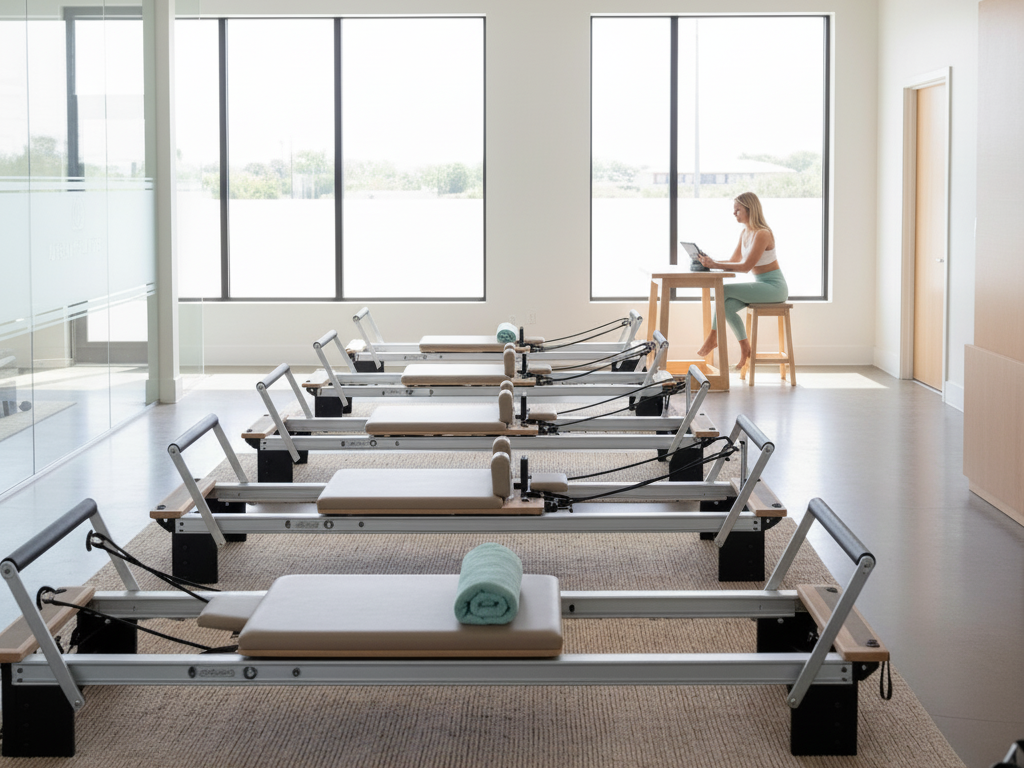
Boutique studios differentiate themselves with a personal touch. Members want more than a workout—they want a connection.
Strategies include:
- Small class sizes for personalized attention
- Regular member check-ins
- Community events and workshops
Creating a strong community helps studios retain members and encourages word-of-mouth marketing, which is crucial in the Chicago fitness studio market.
2. Optimize Studio Location and Accessibility
Location is critical when opening a Pilates studio in Chicago. Studios thrive when they are:
- Near residential neighborhoods or workplaces
- Accessible by public transit or with parking
- Easy to spot and welcoming from the street
For example, studios in areas like downtown, Lincoln Park, or West Loop may attract working professionals, while residential neighborhoods often bring in long-term, repeat clients. Accessibility directly impacts attendance, retention, and profitability.
3. Manage Costs and Maximize Studio Space
One of the biggest challenges in the Chicago fitness studio market is high operating costs, especially rent.
Successful studios:
- Maximize class capacity during peak hours
- Use off-peak hours for private sessions or workshops
- Optimize studio layout to fit more clients without sacrificing experience
Keeping costs under control while maximizing revenue per square foot is key to long-term sustainability.
4. Offer Flexible Class Packages
Modern members expect flexibility. Successful studios design:
- Class packs of varying sizes (5, 10, 20 sessions)
- Monthly memberships with no long-term commitment
- Add-on services like private sessions or workshops
Flexible offerings make studios appealing to busy Chicago residents who value convenience.
5. Leverage Technology
Technology helps boutique studios operate efficiently. Key tools include:
- Studio management software for bookings and payments
- Automated marketing for promotions and reminders
- Analytics to track attendance, revenue, and trends
Tech adoption keeps studios competitive in the boutique fitness Chicago market while reducing administrative workload.
6. Focus on Marketing and Local Branding
Boutique studios must stand out. Marketing strategies that work include:
- Hyper-local social media campaigns targeting Chicago neighborhoods
- Collaborations with local businesses
- Highlighting instructor expertise and member transformations
Strong branding positions your studio as a top choice for clients looking for boutique fitness in Chicago.
7. Monitor Trends and Member Feedback
The fitness industry evolves fast. Sustainable studios:
- Track attendance and popular classes
- Adapt offerings to seasonal trends
- Listen to member feedback to improve experiences
Continuous improvement helps studios stay relevant and profitable.
Conclusion
Success in the Chicago fitness studio market comes down to community, flexibility, technology, and smart marketing.
When opening a Pilates studio in Chicago, focus on:
- Personalized experiences
- Convenient location and accessibility
- Flexible class packages
- Tech-driven management
- Targeted local marketing
- Continuous adaptation to trends
By following these strategies, boutique studios not only survive but thrive in a competitive market.
If you’re opening a Pilates studio in Chicago or want to make your existing studio more sustainable, vibefam can help.
Vibefam allows boutique studios to:
- Manage bookings, memberships, and packages efficiently
- Automate marketing and member communication
- Track attendance, revenue, and trends in real-time
Book a demo with Vibefam today and learn how to grow your Chicago Pilates studio sustainably.