


Pilates continues to grow across San Francisco, especially in neighborhoods like SoMa, Mission District, and Pacific Heights. With a strong wellness culture and high demand for boutique fitness, becoming a certified Pilates instructor can be both rewarding and sustainable.
While California does not issue a state Pilates license, San Francisco studios typically expect formal certification, supervised training hours, and ongoing education.
With tools like vibefam, studios can manage schedules, bookings, and instructors efficiently—allowing teachers to focus more on clients and less on administration.
This guide walks you through every step.

What Does a Pilates Instructor Do?
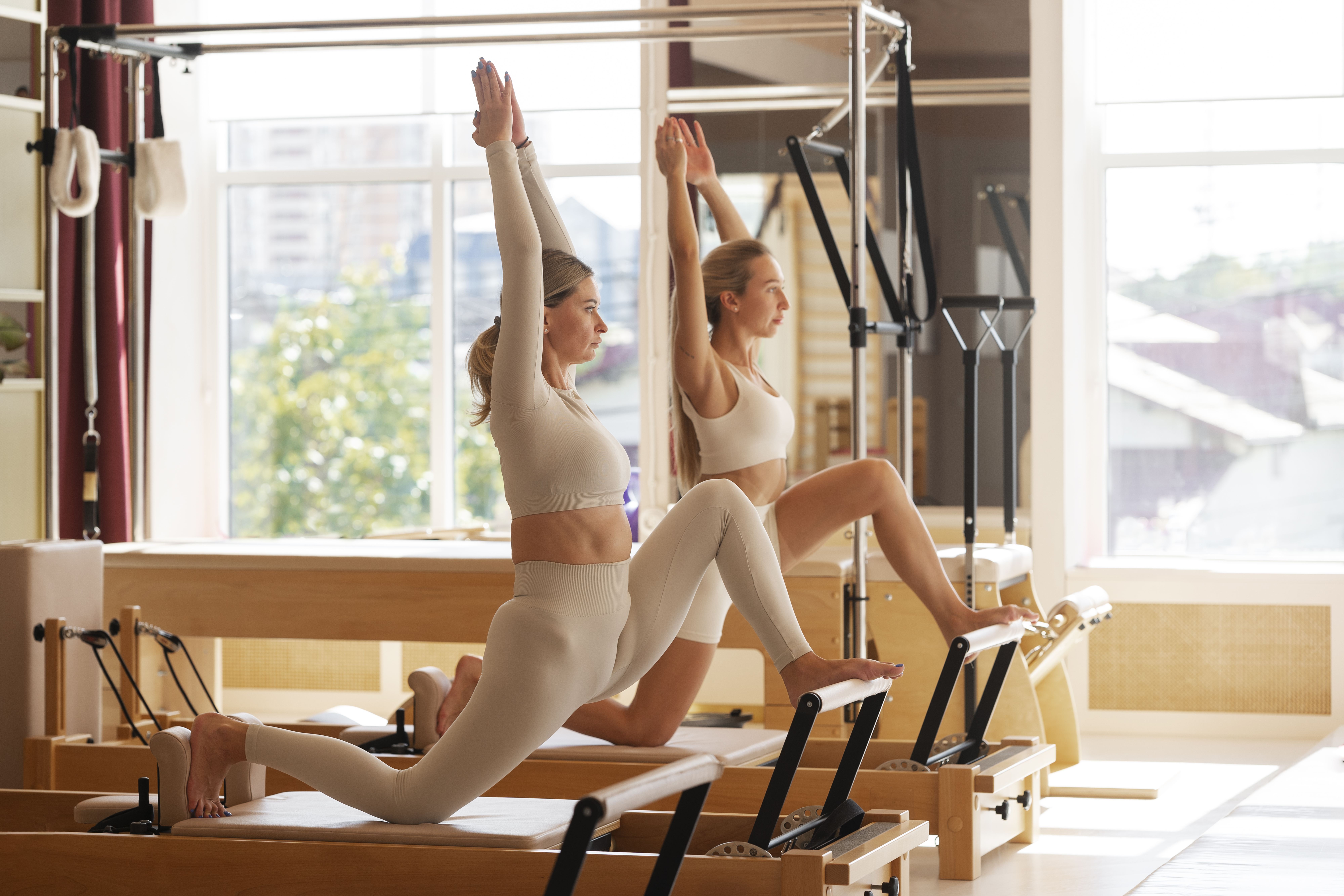
A Pilates instructor leads clients through controlled, low-impact exercises designed to improve strength, flexibility, posture, and body awareness.
Common responsibilities include:
- Teaching private sessions and group classes
- Assessing client movement and limitations
- Cueing exercises on Mat, Reformer, and other apparatus
- Modifying programs for injuries or special populations
Pilates instructors in San Francisco may work in:
- Boutique Pilates studios
- Fitness and wellness centers
- Rehabilitation-focused movement studios
- Private or independent teaching settings
Pro tip: Studios using vibefam often provide smoother scheduling and clearer communication, which improves the overall teaching experience.
Pilates Instructor Requirements in San Francisco
There is no city-issued license to teach Pilates in San Francisco. However, industry standards are widely followed.
Most studios require instructors to:
- Be at least 18 years old
- Hold a high school diploma or equivalent
- Maintain CPR/AED and First Aid certification
- Complete a recognized Pilates teacher training program
- Log observation and supervised teaching hours
- Pass written and practical certification exams
Formal certification is essential for credibility, insurance eligibility, and employment.
Step-by-Step: How to Become a Pilates Instructor in San Francisco
1. Choose a Pilates Certification Path
Start by deciding between:
- Mat certification
- Reformer certification
- Comprehensive certification (most versatile and in demand)
Comprehensive certification is preferred by most San Francisco studios due to the city’s emphasis on apparatus-based training.
2. Enroll in a Recognized Training Program
Look for programs that:
- Follow industry-recognized standards
- Include anatomy and movement education
- Require supervised teaching hours
- Offer written and practical assessments
Program reputation matters. Studios prioritize quality training over speed.
3. Complete Required Training Hours
Training typically includes:
- Anatomy and biomechanics
- Pilates repertoire and cueing
- Safety, contraindications, and modifications
Most comprehensive programs require 450–600+ total hours. Many trainees complete hours part-time while working.
4. Log Observation and Practice Teaching Hours
You will observe certified instructors and teach under supervision.
These hours are critical.
They build confidence.
They refine cueing.
And they prepare you for real studio environments.
5. Pass Certification Exams
Most programs include:
- Written exams on anatomy and Pilates principles
- Practical teaching demonstrations
- Assessment of safety and class flow
Passing these exams confirms your readiness to teach professionally.
6. Maintain Certification Through Continuing Education
Ongoing education is required to:
- Keep certifications active
- Maintain insurance eligibility
- Stay competitive in San Francisco’s premium market
Continuing education is both a requirement and a career advantage.
How Long Does It Take to Become a Pilates Instructor?
Timelines vary based on certification type and study pace:
- Comprehensive certification: 6–12 months
- Part-time study: Longer but more flexible
- Accelerated programs: Faster but more intensive
Most trainees balance training with other work commitments.
Cost to Become a Pilates Instructor in San Francisco
Typical expenses include:
- Training tuition: $3,500–$8,000
- Exam and assessment fees
- Study materials and manuals
- CPR/AED certification
- Continuing education courses
Planning ahead helps avoid unexpected costs.
Legal, Insurance, and Business Considerations
Important considerations include:
- Professional liability insurance
- Employee vs independent contractor status
- Business registration if teaching independently
- Client waivers and risk management protocols
Understanding these basics protects both you and your clients.
Pilates Instructor Salary and Career Outlook in San Francisco
Earnings vary widely based on experience and teaching format.
Factors that influence income:
- Private sessions vs group classes
- Boutique studio vs independent teaching
- Neighborhood and client demographics
- Specialization and reputation
San Francisco instructors often combine formats to build stable income.
Frequently Asked Questions About Becoming a Pilates Instructor in San Francisco
Example FAQs (high-value search queries)
Q: Do you need a license to teach Pilates in San Francisco?
No. San Francisco and the state of California do not issue a Pilates-specific license. However, most studios require nationally recognized certification, CPR/AED training, and liability insurance.
Q: How much does it cost to become a Pilates instructor in San Francisco?
Most comprehensive Pilates certification programs cost between $3,500 and $8,000, depending on the school, training hours, and examination fees.
Q: How long does it take to become a certified Pilates instructor?
Comprehensive certification typically takes 6–12 months, depending on whether you study full-time or part-time.
Q: Can you make a living as a Pilates instructor in San Francisco?
Yes. Many instructors combine private sessions, group classes, and studio teaching to build a sustainable income in San Francisco’s premium wellness market.
Conclusion: Start Your Pilates Career in San Francisco
Becoming a Pilates instructor in San Francisco requires training, certification, and hands-on experience. However, the career offers flexibility, growth, and long-term opportunity in one of the country’s strongest wellness markets.
With platforms like vibefam supporting studio operations, instructors benefit from smoother schedules, clearer communication, and better-organized teaching environments.