


Yoga is thriving in New York City.
Neighborhoods like Manhattan, Brooklyn, and Queens host countless studios, wellness centers, and boutique fitness spaces.
As a result, certified instructors are in high demand.
While New York does not require a state-issued license for yoga, studios expect instructors to have formal training, supervised teaching hours, and continuing education.
Using tools like vibefam makes studio operations and scheduling smoother.
This lets instructors focus on teaching, rather than administrative tasks.
Here’s a step-by-step guide to launching your yoga career in NYC.

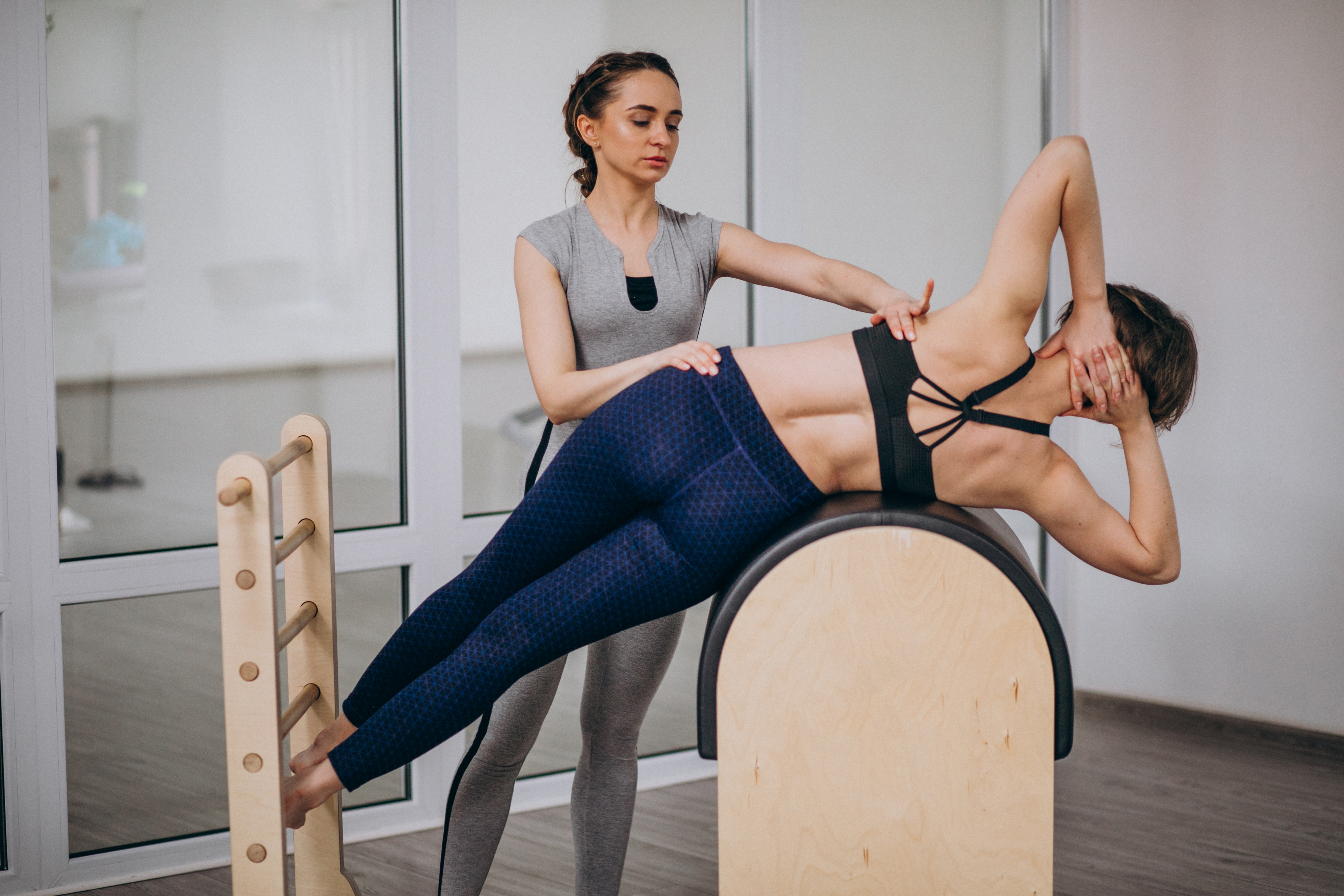
What Does a Yoga Instructor Do?
A yoga instructor guides students through poses, breathwork, and mindfulness practices.
Their role is to help clients build strength, flexibility, and mental focus.
Responsibilities include:
- Leading group classes or private sessions
- Assessing client mobility and limitations
- Cueing poses and breathing techniques
- Modifying practices for injuries or special needs
In NYC, instructors can work in:
- Boutique studios or fitness centers
- Corporate wellness programs
- Workshops, retreats, or online classes
- Private instruction
Pro Tip: Studios using vibefam can manage class schedules and client bookings efficiently. This reduces admin work for instructors and keeps studios running smoothly.
Yoga Instructor Requirements in New York City
New York State does not issue a yoga teaching license.
However, most studios follow professional standards.
Requirements generally include:
- Being at least 18 years old
- Holding a high school diploma or equivalent
- Completing a registered yoga teacher training program (200-hour minimum)
- Logging teaching practice hours
- Passing program assessments
- Maintaining continuing education
Certification ensures credibility, eligibility for insurance, and better employment opportunities.
Step-by-Step: How to Become a Yoga Instructor in NYC
1. Decide on Your Yoga Focus
First, choose the style you want to teach:
- Hatha, Vinyasa, or Flow styles
- Specialty areas such as Yin, Restorative, or Prenatal
- Comprehensive training covering multiple styles
Choosing a focus helps you match your skills with the right studios and clients.
2. Enroll in a Recognized Training Program
Next, select a program accredited by Yoga Alliance or another reputable organization.
Look for programs that:
- Teach anatomy, alignment, and movement principles
- Include supervised teaching hours
- Provide mentorship and feedback
- Offer in-person, online, or hybrid learning formats
High-quality training ensures your certification is recognized across NYC studios.
3. Complete Required Training Hours
Your program will typically include:
- Yoga poses, sequences, and flow
- Breathwork, meditation, and mindfulness techniques
- Safety, adjustments, and modifications
Most 200-hour foundational programs are suitable for beginners, while advanced training may require 300–500 hours or more.
4. Gain Teaching Experience
After completing training, gain real-world experience.
Lead classes under supervision and seek constructive feedback.
These practice hours help you:
- Build confidence
- Improve cueing and class management skills
- Understand diverse client needs
Studios that use vibefam provide insight into real-world class scheduling and client management.
5. Pass Program Assessments
Most programs require:
- Written exams covering anatomy, philosophy, and teaching methodology
- Practical demonstrations of teaching technique and class flow
- Evaluation of communication, alignment, and safety
Passing ensures you are ready to teach professionally.
Cost to Become a Yoga Instructor in NYC
Costs vary depending on the program and location:
- Training tuition: $2,500–$6,500
- Materials and manuals: $100–$300
- CPR/AED certification: $50–$150
- Continuing education: $100–$500 annually
Budgeting ahead ensures a smoother path to certification.
Legal, Insurance, and Business Considerations
Before teaching, consider:
- Professional liability insurance
- Employee vs independent contractor status
- Business registration if teaching privately
- Client waivers to reduce legal risk
These measures protect both instructors and clients.
Yoga Instructor Salary and Career Outlook in NYC
Salaries vary based on experience, studio, and class type.
Factors include:
- Private sessions vs group classes
- Boutique studios vs fitness centers
- Experience, reputation, and specialization
Many NYC instructors combine private classes, workshops, and online teaching to create stable income.
Frequently Asked Questions About Becoming a Yoga Instructor in New York City
Do you need a license to become a yoga instructor in New York City?
No. New York State does not issue a yoga instructor license, and New York City does not require a separate permit. However, most studios require formal yoga teacher training, CPR/AED certification, and professional liability insurance.
How many hours do you need to become a yoga instructor in NYC?
Most studios require a 200-hour yoga teacher training program as the minimum qualification. Instructors who complete advanced 300-hour or 500-hour programs often have more teaching and earning opportunities.
How much does it cost to become a yoga instructor in New York City?
The cost typically ranges from $2,500 to $6,500, depending on the program, location, and format. Additional expenses may include study materials, CPR/AED certification, and continuing education courses.
How long does it take to become a certified yoga instructor in NYC?
A 200-hour program can be completed in 3–6 months full-time or 6–12 months part-time. Accelerated programs are available, while advanced certifications require additional time.
Is Yoga Alliance certification required in New York City?
Yoga Alliance certification is not legally required, but many NYC studios prefer instructors who complete Yoga Alliance–registered programs because they follow consistent training standards.
Can you make a living as a yoga instructor in New York City?
Yes. Many NYC instructors build sustainable careers by combining group classes, private sessions, corporate wellness, workshops, and online teaching. Income varies by experience, specialization, and studio type.
Do yoga instructors in NYC need insurance?
Yes. Professional liability insurance is strongly recommended and often required by studios. Insurance helps protect instructors when teaching group classes, private sessions, workshops, and events.
Conclusion: Start Your Yoga Career in New York City
Becoming a yoga instructor in NYC requires commitment, training, and hands-on experience.
The city’s wellness culture and studio variety provide numerous opportunities for growth.
Additionally, tools like vibefam help studios manage classes, bookings, and instructors efficiently.
This allows teachers to focus on clients and professional development rather than administrative tasks.