

The question of how much it costs to start a small dance studio in Singapore is one that many aspiring entrepreneurs in the fitness and performing arts space are asking. Dance is no longer just an extracurricular activity for children or a niche pursuit for professionals; it has become a mainstream fitness choice and a cultural expression embraced across age groups. From ballet and hip-hop to K-pop and Zumba, Singaporeans are willing to pay for structured classes that combine fitness, creativity, and community.
Yet the passion for teaching and creating community through dance is only half the equation. The other half is financial. Opening a studio is not just about finding a space and hanging up mirrors. It requires careful planning, budgeting, and investment in infrastructure that will not only attract students but also sustain the business long term.
This guide takes you through the different cost elements, practical strategies to control them, and how to assess profitability. It also highlights tools that make running a dance studio in Singapore smoother and more financially manageable.

What Are The Major Cost Categories When Starting A Small Dance Studio?
Starting a studio involves multiple categories of expenditure, each of which plays a crucial role in shaping the student experience. Underestimating any of these can derail the entire project, so understanding what they mean and why they matter is the first step.
Securing A Location And Rental Costs
Location is arguably the single most important cost factor in Singapore. Rent is a recurring cost and usually the largest fixed expense. Unlike renovation or equipment, which are one-off or periodic investments, rent is unavoidable every month. Choosing a location that aligns with your target audience and budget is critical to long-term sustainability.
A studio in a central area, such as Orchard or Bugis, commands prestige and visibility, but the price tag is significantly higher. Median rents for central retail spaces have reached well over $20 per square foot per month, which translates to over $20,000 for a modest 1,000-square-foot space.
On the other hand, suburban locations in areas like Tampines, Jurong, or Hougang may range between $10 and $15 per square foot, reducing monthly rent to $10,000 to $15,000. These neighbourhood studios benefit from proximity to families and residential communities, which can be more valuable for certain dance programmes aimed at children or casual learners.
Renovation And Interior Fit-Out
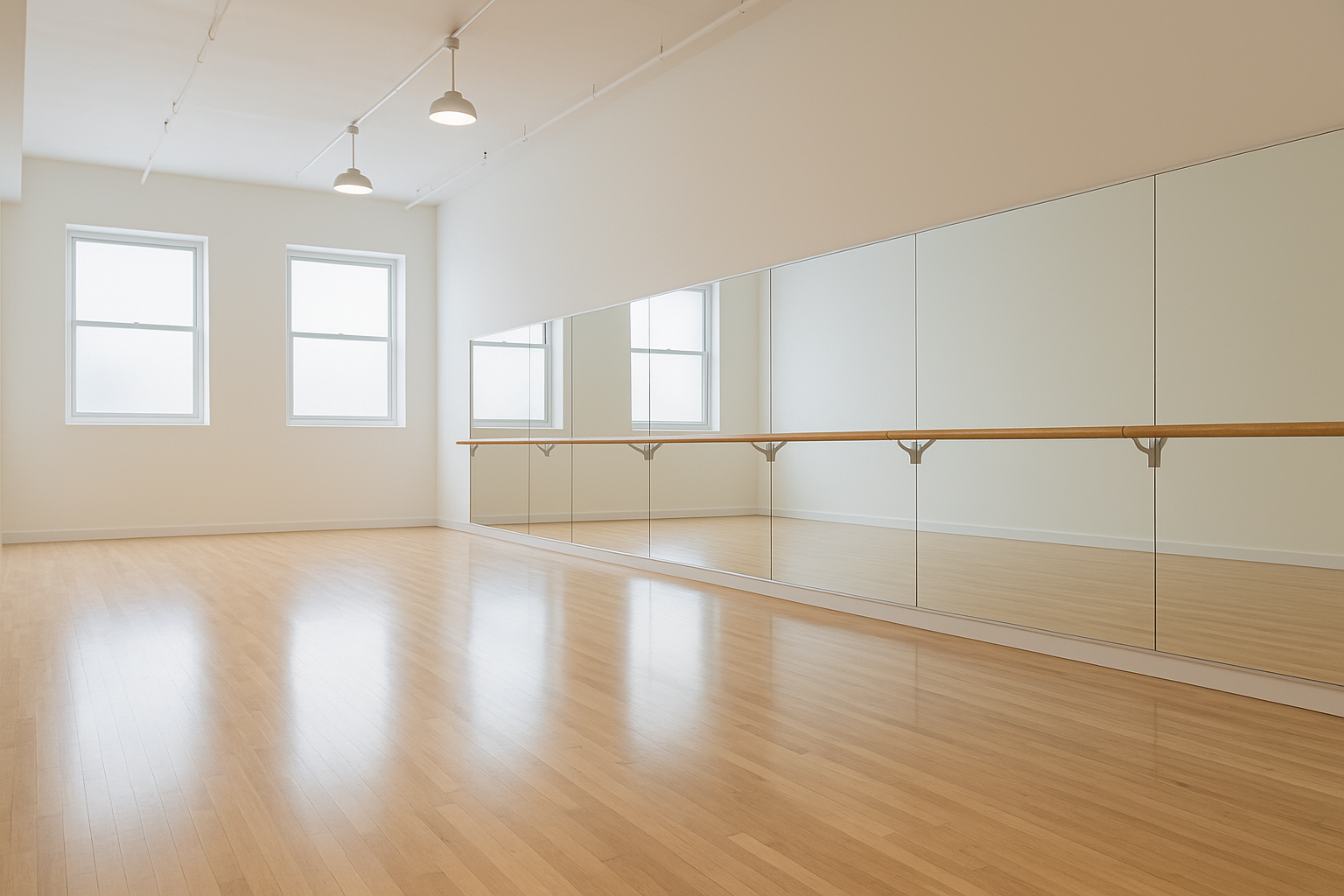
A dance studio is not just four walls and a floor. The design and interior fit-out create the first impression for parents and students, and also impact safety. Proper sprung flooring prevents injury by absorbing shock during jumps. Mirrors help students refine posture and form. Adequate soundproofing prevents noise complaints from neighbours, while lighting and air-conditioning ensure comfort.
In Singapore, commercial renovation typically ranges from $100 to $200 per square foot, depending on complexity. For a 1,000-square-foot studio, this could easily mean $100,000 to $200,000. The range depends on whether you are opting for basic functional finishes or a high-end professional space.
Why this matters: Cutting corners on flooring or mirrors may reduce upfront costs, but can lead to accidents, higher replacement costs, and reputational damage. Renovation is also one of the hardest expenses to adjust after the fact, so getting it right from the start is important.
Equipment And Sound Systems
Beyond the fit-out, studios require specialised equipment. Ballet studios need barres, while fitness-focused studios may require mats, resistance bands, or portable speakers. A robust sound system is non-negotiable, as music drives most dance classes.
The cost of equipping a small studio typically ranges between $10,000 and $20,000. This includes speakers, mixing consoles, microphones for instructors, and mirrors large enough to cover the length of the walls.
Why this matters: Poor-quality equipment affects the overall experience and can even become a safety hazard. For instance, slippery mats or unstable barres increase injury risk. In an industry where reputation spreads quickly, ensuring reliable equipment is essential for credibility and student satisfaction.
Licensing, Permits, And Insurance
Operating a dance studio requires more than just renting space. Businesses in Singapore must register with the Accounting and Corporate Regulatory Authority (ACRA), a process that is relatively inexpensive (less than $300) but legally necessary.
Studios also require compliance with fire safety regulations, overseen by the Singapore Civil Defence Force (SCDF). Depending on renovations, you may need a Fire Safety Certificate before opening.
Insurance is another critical but often overlooked cost. Public liability insurance protects owners in the event of accidents during classes, while coverage for the space itself safeguards against damages. Annual premiums for small businesses start at around $1,000 but vary depending on coverage.
Why this matters: Licensing and insurance are not optional. Non-compliance can result in legal penalties, business closure, or financial losses from claims. Ensuring these are in place builds trust with customers and protects long-term viability.
How Much Initial Capital Should You Budget In Singapore?
For most small dance studios, a realistic budget in Singapore falls between $50,000 and $150,000. This figure accounts for lease deposits, renovations, equipment, insurance, and early-stage marketing.
Lease deposits alone can consume a significant portion of the budget. Commercial landlords typically require three to six months’ rent upfront. For a space costing $10,000 monthly, that means an additional $30,000 to $60,000 before you even renovate.
Renovations then add another $100,000 on average, and when combined with equipment, licensing, and insurance, the initial capital required quickly grows.
Why this matters: Underbudgeting is one of the most common reasons small studios fail within their first year. Entrepreneurs who prepare for the higher end of the cost range are better positioned to weather unexpected expenses and delays.
What Ongoing Operating Expenses Should You Expect?
Initial capital gets the doors open, but recurring operating expenses determine sustainability.
- Instructor salaries and freelance teacher rates: Instructors are the backbone of any studio. Hiring full-time instructors often costs $3,000 to $4,000 per month, while freelance teachers may charge $50 to $100 per class. For a schedule of 20 classes a week, freelance costs could easily reach $8,000 monthly. Balancing full-time and freelance staff is key to managing costs and ensuring class variety.
- Utilities: Studios are energy-intensive due to lighting, sound systems, and especially air-conditioning. In 2024, electricity tariffs averaged around 29 cents per kWh. For a studio running air-conditioning for several hours a day, bills could realistically range from $1,000 to $2,000 each month, depending on the size of the space and the duration of use.
- Cleaning and maintenance: Hygiene is particularly important in post-pandemic Singapore. Regular disinfection, cleaning of mirrors, and floor maintenance are essential. Professional services typically charge $500 to $1,000 monthly, but this may increase if your studio has showers or multiple changing rooms.
- Marketing: Visibility is essential, particularly for new entrants. Running targeted campaigns on platforms such as Facebook, Instagram, or Google often costs $1,000 to $3,000 monthly. Marketing is not a one-time activity; consistent investment ensures a steady stream of new students.
- Software subscriptions: Administrative efficiency can make or break small studios. Platforms like vibefam offer integrated booking, attendance tracking, and payment systems. Subscription pricing is transparent and allows studios to replace manual processes with automation, lowering administrative workload and improving customer experience.
Why this matters: While startup costs often receive attention, recurring expenses are what sustain or strain cash flow. Without accurate forecasting of monthly operating costs, breakeven timelines may be pushed further than anticipated.
What Strategies Can Reduce The Startup Cost Of A Dance Studio?
Many aspiring studio owners assume high upfront costs are inevitable. While investment is necessary, strategies exist to reduce and manage expenditure.
- Start with a smaller space: Instead of committing to a large 1,200-square-foot unit, consider beginning with 600 to 800 square feet. Smaller spaces reduce rent and renovation costs while still accommodating meaningful class sizes.
- Phase renovations: Focus on essentials like flooring, mirrors, and sound systems in phase one. Non-essential features such as decorative lighting or custom reception areas can be added later once revenue builds.
- Lease or source second-hand equipment: Many fitness and dance studios sell equipment when upgrading. High-quality used barres, speakers, or mirrors can reduce initial costs significantly without compromising function.
- Automate administration: Hiring a full-time administrator early can add $3,000 to $4,000 monthly in costs. By adopting software such as vibefam, you can manage bookings, payments, and scheduling digitally, often eliminating the need for dedicated admin staff in the early stages. For more guidance on balancing cost efficiency with studio design, you can also read Vibefam’s article on important considerations when designing your fitness studio.
Why this matters: Every dollar saved during setup shortens the path to breakeven. Entrepreneurs who manage costs smartly create more financial resilience during the vulnerable first year of operation.

How Can You Forecast Breakeven And Profitability?
A breakeven analysis compares fixed and variable costs with expected revenue to determine how many students are needed to cover expenses.
- Calculate fixed monthly costs: This includes rent, utilities, insurance, and software subscriptions. For a small studio, this could total up to $12,500.
- Add staffing costs: Salaries or freelance fees can add $6,000 to $10,000, depending on class volume. Total monthly costs may therefore reach $18,500 to $22,500.
- Estimate realistic student numbers: If you run 30 classes per week with an average of 10 students per class, you serve 300 students monthly. At an average fee of $180 per student, monthly revenue could be $54,000.
- Factor in ramp-up time: Studios rarely hit capacity immediately. Reaching 150 to 200 students in the first six months is more realistic. This means revenue may initially hover around $27,000 to $36,000.
Why this matters: Breakeven analysis provides clarity. Owners can adjust pricing, class frequency, or marketing investment based on whether the forecasted student numbers are achievable in their chosen location.
Common Mistakes First-Time Dance Studio Owners Make And How To Avoid Them
Experience shows that many first-time studio owners encounter similar pitfalls. Recognising them upfront can save significant time and money.
- Over-estimating early demand: Expecting immediate full enrolment is unrealistic. A measured growth plan, supported by conservative revenue assumptions, reduces the risk of financial stress.
- Underbudgeting renovations: Inadequate flooring or poorly installed mirrors may require replacement within a year, leading to wasted expenditure.
- Ignoring digital expectations: Students and parents expect online booking, digital payments, and clear schedules. Lacking these can make even well-run studios appear outdated.
- Neglecting marketing: Relying solely on organic word-of-mouth is insufficient. Ongoing marketing ensures visibility in a competitive market where other studios are running active campaigns.
Why this matters: these mistakes not only drain finances but also impact reputation. Correcting them after launch is costlier than avoiding them from the outset.
What Digital Tools Can Make Starting A Dance Studio Easier In Singapore?
Managing classes, payments, and customer communication can quickly overwhelm new studio owners. This is where purpose-built tools like vibefam add value.
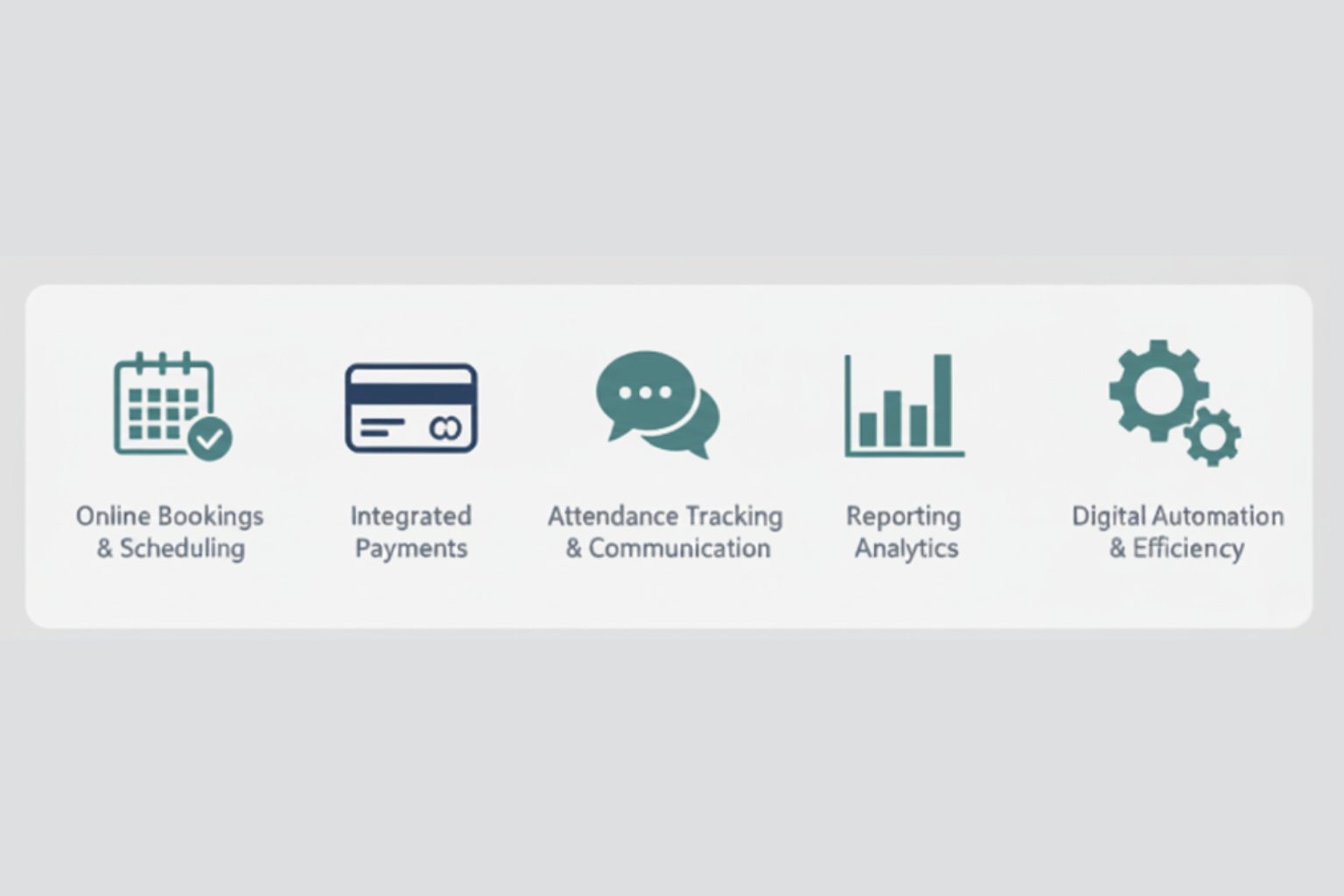
- Online bookings and scheduling: Students can view timetables and reserve spots instantly, reducing manual coordination.
- Integrated payments: With PayNow, GrabPay, and credit card options, customers pay conveniently, improving cash flow.
- Attendance tracking and communication: Automated reminders and notifications help reduce no-shows and keep students engaged.
- Reporting and analytics: Studio owners gain visibility into which classes are profitable, which instructors attract the most students, and where marketing spend is effective.
Why this matters: Digital automation lowers labour costs, improves student satisfaction, and provides insights to make better business decisions. For first-time entrepreneurs, having these processes handled by software creates professional credibility and operational efficiency from day one.
How Much Does It Cost To Start A Small Dance Studio In Singapore If You Want To Minimise Risks?
The minimum viable budget is around $50,000 if you choose a smaller suburban unit, basic renovations, and second-hand equipment. However, to establish a professional, long-term business with the capacity to scale, a more realistic figure is $100,000 to $150,000.
Why this matters: Underfunding creates operational strain, but overfunding in the wrong areas can also delay profitability. Balancing ambition with realistic budgeting is key.
If you are planning a studio launch and want to simplify administration, explore how vibefam supports new studios here.
FAQs
Q: Do brand-new dance studios need inspection before opening?
A: Yes. A brand-new dance studio must undergo a fire safety inspection before it can legally open. The Singapore Civil Defence Force (SCDF) mandates that all new commercial premises obtain a Fire Safety Certificate (FSC) to ensure compliance with the Fire Safety Act. This certification is a prerequisite for legal operation and is a critical document that building owners and landlords require before a new tenant can take possession. Failure to secure the necessary approvals risks significant delays, legal penalties, or fines. For more information, visit our blog on fire safety rules for fitness studios here.
Q: Can I operate without liability insurance?
A: Operating without insurance is technically possible but highly risky. A single injury claim could cost more than annual premiums, making coverage essential.
Q: Are second-hand mirrors and flooring safe for use?
A: Yes, if sourced carefully. Mirrors should meet safety glass standards, and flooring should be professionally installed to avoid uneven surfaces or injury risk.
Q: Is a booking system really necessary for a small studio?
A: Yes. Even with fewer than 50 students, manual scheduling creates errors and delays payments. A digital system streamlines operations, creates a professional impression, and helps with retention.
Conclusion: Is starting a small dance studio in Singapore worth it?
Opening a dance studio is both financially demanding and deeply rewarding. With startup costs ranging from $50,000 to $150,000, careful planning is required to manage rent, renovations, equipment, and staffing. Recurring expenses such as salaries, utilities, and marketing further shape financial outcomes.
The studios that succeed are those that anticipate challenges, avoid common mistakes, and adopt digital tools to streamline operations. Platforms such as vibefam allow owners to focus less on administration and more on building community and delivering exceptional classes.
If you are preparing to launch your own studio, take the next step by exploring how vibefam can simplify your operations and help you create a smoother experience for both students and instructors.