

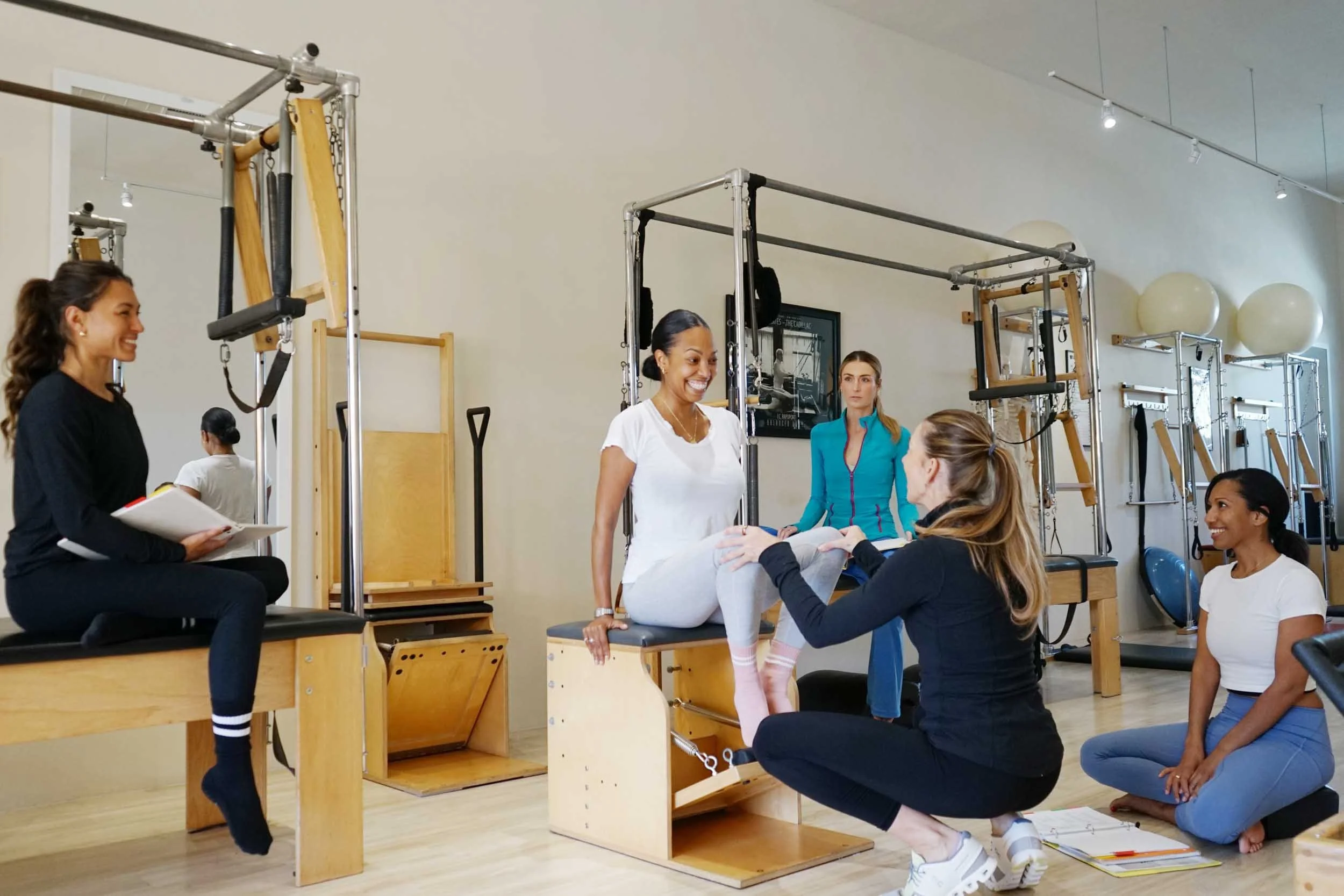
Becoming a Pilates instructor in California is a structured but flexible process. While the state does not issue a formal Pilates license, most studios and employers expect instructors to complete a recognized certification program, log supervised teaching hours, and maintain ongoing education.
This guide walks you through every step, from choosing the right certification to understanding costs, timelines, legal considerations, and long-term career outlook.

What Does a Pilates Instructor Do?
A Pilates instructor guides clients through controlled, low-impact movement designed to improve strength, flexibility, posture, and body awareness.
Core responsibilities include:
- Teaching private sessions and group classes
- Assessing client movement, posture, and limitations
- Modifying exercises for injuries or special populations
- Ensuring proper technique and safe equipment use
- Building progressive programs aligned with client goals
Types of Pilates instructors:
- Mat instructors focus on bodyweight-based Pilates on the mat
- Reformer instructors teach classes using the Pilates Reformer
- Comprehensive instructors are trained on mat and all major apparatus
Common work environments:
- Boutique Pilates studios
- Fitness clubs and wellness centers
- Rehabilitation or movement studios
- Independent or private practice settings
Pilates Instructor Requirements in California
California does not require a state-issued license for Pilates instructors. However, industry standards are widely followed.
Typical requirements include:
- Minimum age: 18 years old
- High school diploma or equivalent
- CPR/AED and First Aid certification
- Completion of a recognized Pilates teacher training program
- Logged observation and practice teaching hours
- Passing written and practical certification exams
Most studios will not hire instructors who lack formal training and certification.
Step-by-Step: How to Become a Pilates Instructor in California
This step-by-step pathway is the most reliable way to enter the profession.
1. Decide which Pilates certification path to pursue
Choose between:
- Mat certification
- Reformer certification
- Comprehensive certification (most versatile and in-demand)
Your choice should align with your career goals and preferred teaching environment.
2. Choose a reputable Pilates instructor training program
Look for programs that:
- Follow industry-recognized training standards
- Include supervised teaching hours
- Offer both written and practical assessments
Program reputation matters more than speed or price alone.
3. Complete required training hours
Training typically includes:
- Anatomy and movement principles
- Pilates repertoire and cueing
- Safety, contraindications, and modifications
Comprehensive programs usually require 450–600+ total hours.
4. Log observation and practice teaching hours
You will observe certified instructors and teach under supervision.
These hours are critical for developing real-world teaching confidence.
5. Pass written and practical exams
Most programs assess:
- Knowledge of anatomy and Pilates principles
- Teaching ability, cueing, and class flow
- Safety awareness and client interaction
6. Maintain certification through continuing education
Certified instructors must complete ongoing education to stay current and employable.
Choosing a Pilates Certification Program
Not all programs serve the same career goals.
Certification types explained:
- Mat certification: Entry-level, lower cost, limited scope
- Reformer certification: Studio-focused, higher demand
- Comprehensive certification: Full apparatus training, maximum flexibility
Other factors to consider:
- Program reputation and industry recognition
- In-person vs hybrid vs online learning formats
- Studio-based mentorship vs academy-style education
Choosing a well-structured program reduces long-term career limitations.
How Long Does It Take to Become a Pilates Instructor?
The timeline depends on certification type and study pace.
Typical timelines:
- Comprehensive certification: 6–12 months
- Part-time study: Longer but more flexible
- Accelerated programs: Faster but more intensive
Most students complete training while working another job.
Cost to Become a Pilates Instructor in California
Costs vary widely depending on program depth and format.
Common expenses include:
- Training program tuition: mid-to-high four figures
- Exam and assessment fees
- Manuals and study materials
- CPR/AED certification costs
- Continuing education courses
Itemizing costs upfront helps avoid surprise expenses later.
Certification Exams and Continuing Education
What exams typically include:
- Written exams on anatomy and Pilates principles
- Practical teaching demonstrations
- Verbal cueing and class management assessment
Continuing education:
- Required to maintain active certification
- Covers advanced techniques, special populations, or new methodologies
- Supports long-term career growth and injury prevention
Continuing education is both a requirement and a competitive advantage.
Legal, Insurance, and Business Considerations
This is a commonly overlooked—but critical—area.
Key considerations:
- Professional liability insurance is strongly recommended
- Employment vs independent contractor classification affects taxes and benefits
- Business registration may be required if teaching independently
- Client waivers and informed consent reduce legal risk
Understanding these basics protects both you and your clients.
Pilates Instructor Salary and Career Outlook in California
Income varies significantly based on experience and teaching format.
Factors that influence earnings:
- Private sessions vs group classes
- Urban vs suburban location
- Studio employment vs independent teaching
- Experience, reputation, and specialization
Many instructors combine teaching formats to build a sustainable income.
Career Growth and Specialization Opportunities
Certification is just the beginning.
Common growth paths include:
- Specializing in rehabilitation or post-injury Pilates
- Prenatal and postnatal training
- Athletic performance and sports conditioning
- Advanced apparatus education
- Studio ownership or online coaching
Specialization often leads to higher rates and stronger client retention.