


Yoga is growing rapidly across California.
Cities like Los Angeles, San Francisco, and San Diego have thriving wellness communities.
Therefore, becoming a certified yoga instructor is a rewarding way to turn your passion into a career.
Moreover, modern studios increasingly rely on tools like vibefam.
With vibefam, instructors and studios can manage classes, schedules, and client bookings efficiently, leaving more time to focus on teaching.
Below is a complete step-by-step guide for aspiring yoga instructors in California.
What Does a Yoga Instructor Do?
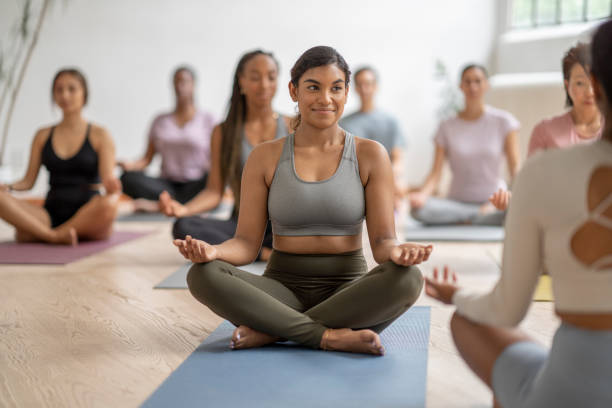
A yoga instructor guides clients through poses, breathing techniques, and mindfulness practices.
Key responsibilities include:
- Leading private sessions and group classes
- Modifying poses for different skill levels and physical limitations
- Providing safe alignment cues
- Teaching meditation, pranayama, and relaxation techniques
Instructors may work in:
- Yoga studios or fitness centers
- Corporate wellness programs
- Retreats or workshops
- Private or online coaching sessions
Pro Tip: Studios using vibefam can streamline scheduling and class management, which helps instructors focus more on their clients and less on administrative tasks.
Yoga Instructor Requirements in California
California does not issue a state license for yoga instructors.
Nevertheless, most studios expect professional training and certification.
To teach professionally, you typically need to:
- Be at least 18 years old
- Hold a high school diploma or equivalent
- Complete a registered yoga teacher training program (200-hour minimum)
- Log teaching practice hours
- Pass assessments as part of certification
- Maintain continuing education for advanced training
In other words, certification is crucial.
It ensures credibility, safety, and insurance coverage.
Step-by-Step: How to Become a Yoga Instructor in California
1. Choose Your Certification Path
First, decide on your yoga teaching focus.
You can choose between:
- Hatha or Vinyasa-focused programs
- Specialty programs such as Yin, Restorative, or Prenatal
- Comprehensive training covering multiple styles
Choosing the right path aligns your skills with the studios and clients you plan to work with.
2. Enroll in a Recognized Yoga Teacher Training Program
Next, select a training program accredited by the Yoga Alliance or a reputable organization.
Look for programs that:
- Cover anatomy, physiology, and movement principles
- Include supervised teaching hours
- Offer assessments and mentorship
- Provide online, in-person, or hybrid learning options
By doing so, you ensure your certification is respected in California studios.
3. Complete Required Training Hours
Training usually covers:
- Yoga poses, sequences, and flow
- Breathwork, meditation, and mindfulness
- Safety, adjustments, and modifications
Most foundational programs require 200 hours, while advanced programs can range from 300–500 hours or more.
Part-time or accelerated options exist, depending on your schedule.
4. Gain Teaching Experience
After completing your training, log teaching practice hours.
This includes leading classes under supervision and getting feedback from mentors.
These hours are critical.
They help you build confidence, refine cueing, and prepare for professional teaching environments.
Additionally, working in studios that use vibefam can provide exposure to real-world class scheduling and client management systems.
5. Pass Certification Assessments
Most programs assess your:
- Knowledge of poses, anatomy, and teaching methodology
- Ability to lead a class smoothly and safely
- Communication skills with diverse clients
Passing these exams confirms that you are ready to teach professionally.
How Long Does It Take to Become a Yoga Instructor?
The timeline varies:
- 200-hour programs: 3–6 months full-time, 6–12 months part-time
- Advanced 300–500 hour programs: additional 6–12 months
- Accelerated programs: intensive options may take 1–3 months
Ultimately, your schedule and dedication determine the pace.
Cost to Become a Yoga Instructor in California
Typical expenses include:
- Training program tuition: $2,000–$6,000
- Manuals and materials: $100–$300
- CPR/AED certification: $50–150
- Continuing education courses: $100–500 annually
Budgeting early can prevent surprises and make the process smoother.
Legal, Insurance, and Business Considerations
Before teaching, consider:
- Professional liability insurance
- Employee vs independent contractor status
- Business registration if teaching independently
- Client waivers and informed consent
Understanding these elements protects you and your students.
Career Growth and Specialization Opportunities
Certification opens doors to additional opportunities:
- Advanced or specialty styles: Prenatal, Yin, Restorative
- Meditation or breathwork instruction
- Retreats, workshops, or online coaching
- Studio ownership or management
Specialization often leads to higher rates and stronger client retention.
FAQ: Yoga Instructor vs Pilates Instructor in California
What is the difference between a yoga instructor and a Pilates instructor in California?
Yoga instructors focus on poses, breathwork, meditation, and mindfulness, while Pilates instructors emphasize controlled movements, core strength, posture, and alignment. In California, both careers require formal certification but do not require a state-issued license.
Which certification takes longer in California: yoga or Pilates?
Pilates certification typically takes longer.
A yoga instructor can become certified through a 200-hour training, while comprehensive Pilates certification often requires 450–600+ hours of training, including supervised teaching and practical exams.
Is Pilates certification more expensive than yoga certification?
Yes, in most cases.
Yoga teacher training programs in California generally cost $2,000–$6,000, while Pilates certification programs often range from $3,500–$8,000, depending on the scope of training and equipment included.
Which career has higher earning potential in California?
Pilates instructors often have higher earning potential, especially through private and apparatus-based sessions. Yoga instructors may teach more group classes, workshops, and retreats. Income for both depends on experience, specialization, location, and whether instructors teach independently or through studios.
Is there more demand for yoga or Pilates instructors in California?
Both are in demand across California.
Yoga has broader appeal and more teaching opportunities, while Pilates is especially popular in boutique studios, rehabilitation-focused settings, and private sessions. Many instructors choose to train in both disciplines to expand career options.
Can you be both a yoga and Pilates instructor in California?
Yes. Many instructors in California pursue dual certification in yoga and Pilates. This allows them to teach a wider range of classes, work in more studios, and increase income flexibility.
Becoming a yoga instructor in California requires dedication, training, and hands-on experience.
With the state’s growing wellness culture, career opportunities are plentiful.
Moreover, tools like vibefam help instructors and studios manage classes, bookings, and schedules efficiently.
This allows teachers to focus on what matters most: guiding clients and growing their careers.