

A corporate wellness program is a fitness offering a gym or studio sells to a company on behalf of its employees, on-site sessions, in-studio workshops, or an ongoing course, billed to the business instead of collected class by class from individuals. For a boutique studio, it is a way to sell into a budget that renews on its own schedule and fill the gap between the morning and evening rush with one client whose contract does not depend on a single member's mood that week.
Why Corporate Wellness Is Worth Building in 2026
More employers now budget for structured fitness access as part of employee benefits, not as an occasional perk, and that shift is landing on boutique studios that can package a clear offer. For a gym, one company account can replace a dozen individual sign-ups with a single predictable, recurring invoice.
The upside is specific: larger, more stable contracts than individual memberships, monthly recurring revenue that does not churn the way a single member does, brand exposure through the company's own internal network, and higher occupancy in the late-morning and mid-afternoon slots that usually sit empty.
Step 1: Pick Your Format, Drop-In Session, Workshop, or Ongoing Course
Every corporate wellness offer is one of three formats: a single drop-in session, a short multi-session workshop, or a structured ongoing course, and the format decides how you price and staff it, not the other way around. Pick the format before you build a pitch deck.
A lunchtime yoga or stretching session for one department is a drop-in event, sold as a single ticket. A four-week stress-management or posture clinic run once a week is a workshop, a fixed bundle of two to six sessions sold as one purchase. An ongoing 12-week strength or mobility program that a company rebooks every quarter behaves like a structured course, with the same cohort tracking a studio already uses for member-facing programs. Vibefam's Events, Workshops, and Courses module runs all three formats on the same booking, payment, and capacity system as the regular class schedule, so a corporate program does not need a separate tool.
Step 2: Structure Your Pricing Model
Four pricing models cover almost every corporate wellness deal a boutique studio signs: pay per session, a fixed monthly retainer, per-employee credits, or a hybrid of a base retainer plus usage. Which one you lead with should match how predictable you need the revenue to be.
| Model | How it works | Best for |
|---|---|---|
| Per session | Company pays a flat fee each time you run a class or workshop | A first pilot program before either side commits further |
| Monthly retainer | Fixed number of sessions per month for one recurring invoice | Predictable revenue once the pilot proves out |
| Per-employee credits | Company buys a pool of credits employees redeem against classes | Larger companies that want usage-based cost control |
| Hybrid | Base retainer covers a minimum, usage above that bills per session | Growing accounts where attendance is still ramping |
A monthly retainer is usually the model boutique studios grow fastest with, because it gives the studio a fixed number to plan staffing and room capacity around instead of guessing at attendance every week. Start a new account on a per-session pilot, then move it to a retainer once attendance is consistent enough for both sides to commit.
Step 3: Pitch HR, Not the Gym-Goer
Businesses buy outcomes, not classes, so the pitch that gets a signature reframes your offer around what HR reports to leadership: reduced stress, better attendance at work, and a benefit employees actually use. "We'll run Pilates classes for your team" is a feature. "We'll help your team manage stress and stay engaged, and you'll get attendance numbers to show for it" is a business case.
Keep the pitch itself short: clear, transparent pricing, flexible scheduling that does not require HR to chase a calendar, a measurable benefit like attendance or a simple engagement score, and an onboarding process that takes one email, not a multi-week setup.
Step 4: Find Companies Worth Pitching
Not every business is a fit, and chasing the biggest logo in your area usually wastes the most time you have. Prioritize startups and SMEs with faster decision cycles over large enterprise accounts that route a wellness request through procurement for months before anyone signs anything.
Look for a company that already has a wellness line in its benefits budget, sits in a high-stress industry like tech, finance, or professional services, and runs a hybrid or office-based schedule where a lunchtime or after-work session actually fits the day. Active hiring and a benefits page that already lists wellness perks are both signals worth checking before you reach out. In our observations supporting boutique studios across North America and APAC, the corporate accounts that renew are rarely the biggest logo, they are the smaller company where one HR or operations lead owns the decision and champions the program internally.
Step 5: Run It Without It Becoming a Second Admin Job
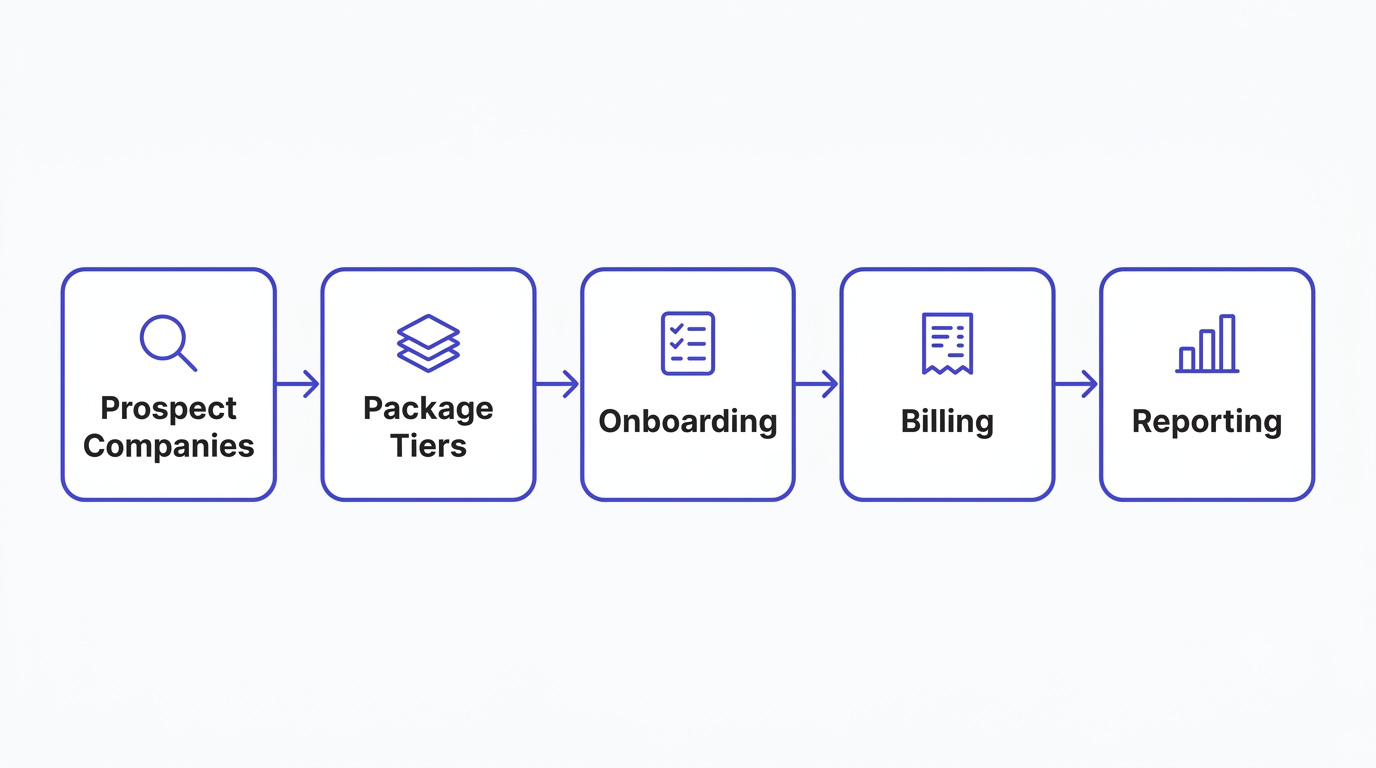
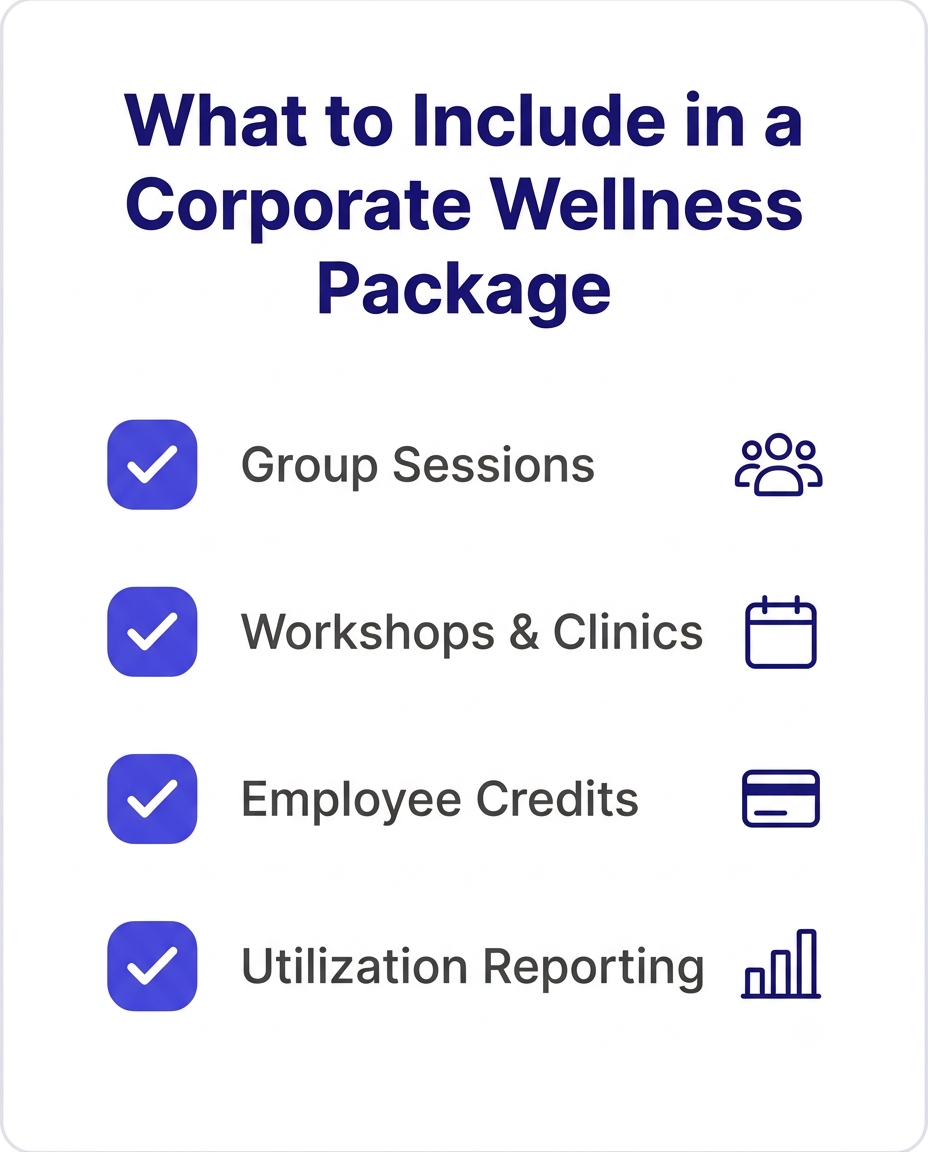
The operational load of running two or three company accounts is what actually kills a corporate program studios build by hand, separate invoices, a spreadsheet tracking who used what, and no easy way to show a company its own utilization. That admin load, not demand, is usually the real ceiling on how many accounts a studio can run.
In our observations supporting boutique studios across North America and APAC, a corporate request almost never asks for a bespoke corporate SKU. It asks for a shared package, one purchase, several employees booking against it, which is the exact shape of a family or shared package a studio already sells to members. Vibefam Packages & Memberships supports shareable and family-account packages natively, so a company credit pool works the same way a shared couple's package already does, no custom build required.
If the company wants sessions across more than one of your locations, Vibefam Multi-Outlet Management keeps each outlet's revenue routed to its own bank account while giving you one unified view of the account across every site. And when the company asks what its employees are actually using, the Vibefam AI Business Dashboard rolls up attendance and revenue for that account the same way it does for the rest of your studio, so you have a real number to hand back instead of a guess.
Vibefam gives boutique studios comprehensive software across operations and marketing, corporate billing, multi-outlet payouts, and utilization reporting running on the same platform as your regular class schedule, so a corporate account adds revenue without adding a second job. Book a free demo to see how a corporate account would run on your own schedule.
Common Mistakes Studios Make With Corporate Wellness
Three mistakes account for most corporate programs that stall after the first few months: pricing without a floor that covers instructor time and room cost, no clear trigger for renewal so the account quietly lapses at the end of a quarter, and never showing the company what it got for its money, which makes the next renewal conversation harder than it needs to be.
A corporate account is one more revenue stream alongside memberships, packages, and merchandise, not a replacement for any of them. If you are weighing where corporate wellness fits against other ways to diversify studio revenue, this revenue-stream guide covers the other levers worth pulling alongside it.