

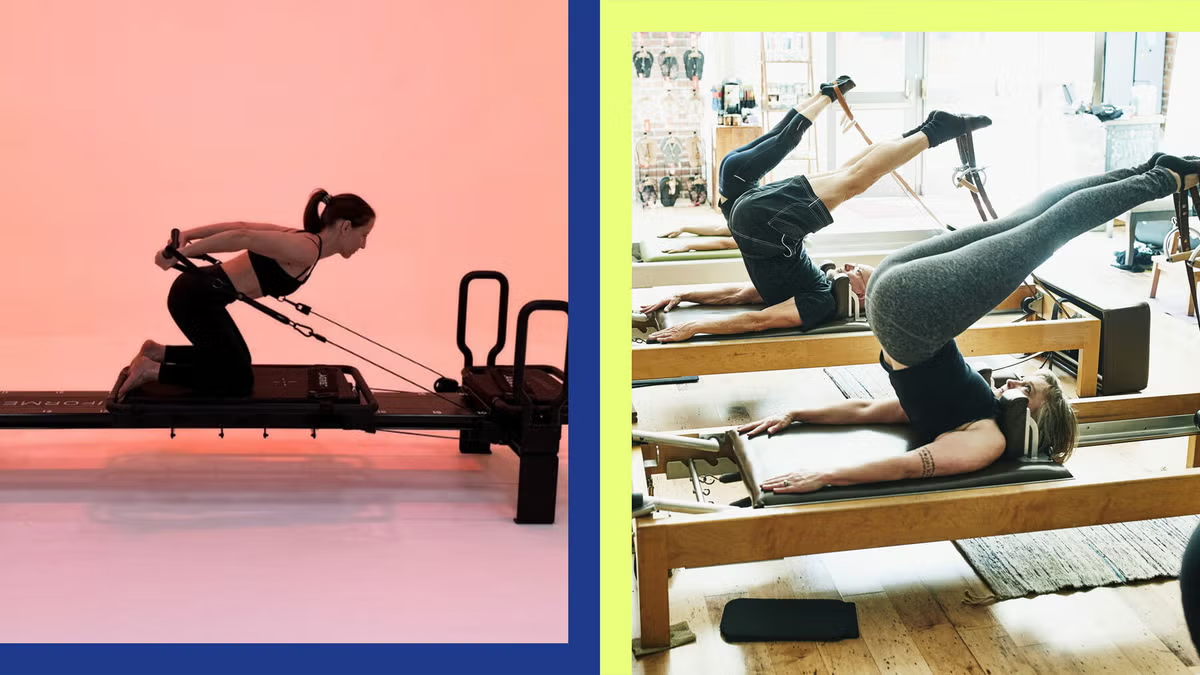
Adding a new fitness modality can boost your studio’s offerings.
Pilates and Lagree are both popular, but they serve different client needs.
While both Pilates and Lagree are low-impact, they differ significantly in intensity, equipment investment, instructor training, and member expectations—factors studio owners must evaluate carefully before expanding offerings.
Understanding these differences helps you make the right decision for your business.
Plus, tools like vibefam can simplify managing multiple class types, instructors, and schedules.

Class Style and Intensity
Pilates focuses on controlled, low-impact movements to improve posture, core strength, and flexibility.
It’s slower-paced, emphasizing precision and alignment.
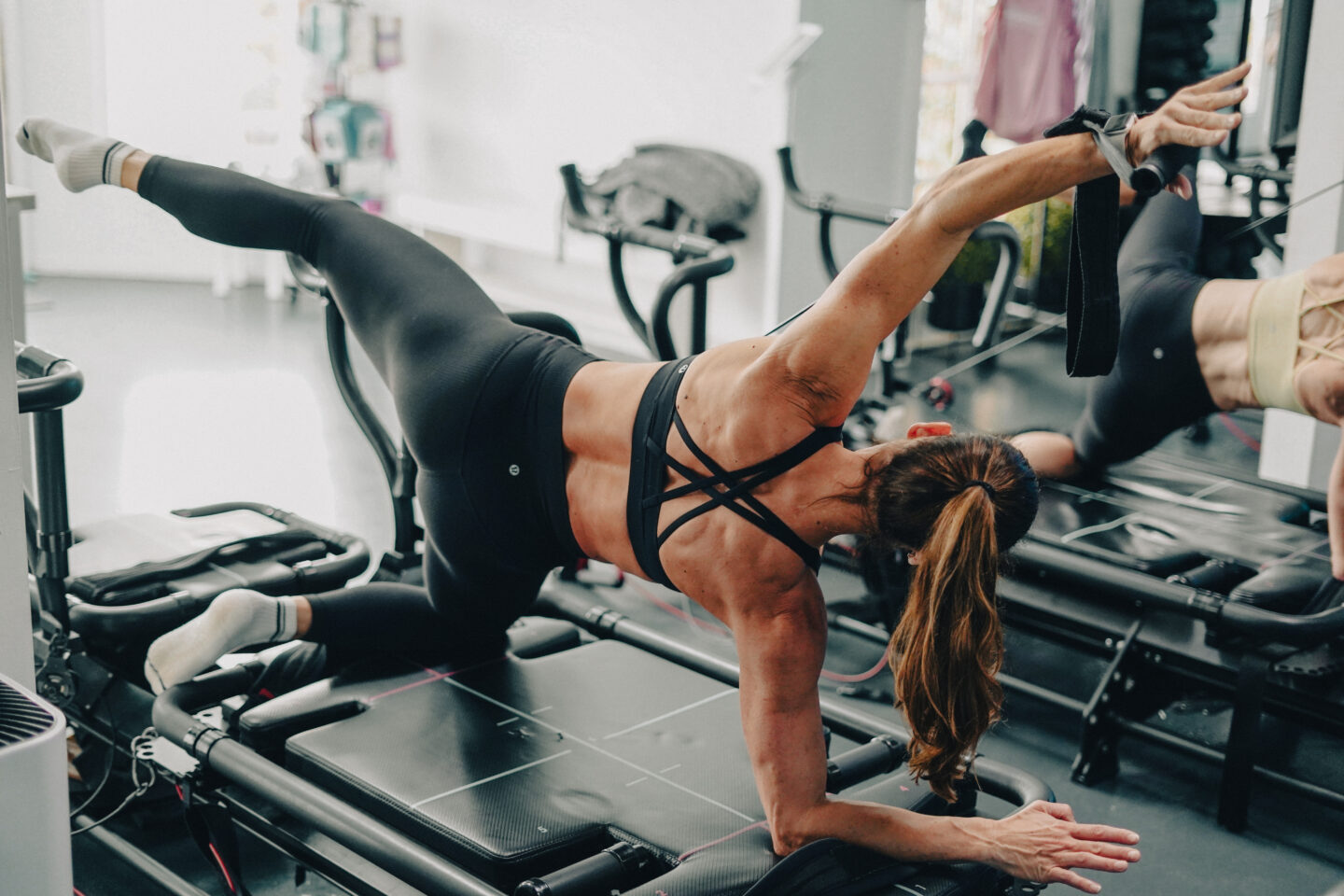
Lagree, on the other hand, is high-intensity and low-impact.
It combines strength, endurance, and cardio on the Megaformer.
Clients work harder and sweat more in a dynamic, fast-paced class.
Transition: If your studio already offers Pilates, Lagree can attract members looking for a more challenging, full-body workout.
Equipment and Space
Pilates requires mats, Reformers, Wunda Chairs, or towers.
Space needs depend on the number of apparatus and class size.
Lagree relies on the Megaformer machine.
It has a smaller footprint than multiple Pilates apparatus, but you still need room for safe movement.
Tip: Consider upfront equipment costs, space layout, and maintenance before investing.
Instructor Training
Pilates instructors often complete 200–600+ hours of accredited training.
They learn Mat, Reformer, or full apparatus methods and log supervised teaching hours.
Lagree instructors typically complete 24–40 hours of training.
They focus on Megaformer operation, class sequencing, and client safety.
Hands-on practice is critical before leading full classes.
Pro Tip: Studios using vibefam can track instructor schedules, certifications, and teaching hours efficiently.
Costs and Pricing
Pilates equipment can cost $3,000–$10,000 per Reformer.
Certification programs range from $3,000–$7,000.
Lagree Megaformers cost $4,000–$8,000 each.
Training programs typically run $1,500–$3,000.
Classes for both can be priced as premium boutique sessions.
Transition: Both modalities require upfront investment, but they can generate strong revenue if marketed correctly.
Member Appeal
Pilates appeals to clients seeking:
- Low-impact, precise workouts
- Rehabilitation and posture improvement
- Gradual, consistent progress
Lagree attracts:
- Fitness enthusiasts wanting intense, full-body workouts
- Clients focused on strength and endurance
- Members who enjoy group energy and dynamic sessions
Tip: Offering both can diversify your client base and boost retention.
Lagree vs Pilates: Quick Comparison for Studio Owners
Pilates
- Low-impact, controlled, technique-focused
- Slower-paced classes
- Higher instructor training hours
- Broad appeal (rehab, beginners, long-term members)
- Flexible pricing across private and group sessions
Lagree
- Low-impact but high-intensity
- Faster-paced, strength and endurance driven
- Shorter instructor certification timeline
- Strong appeal for boutique fitness and group energy
- Premium pricing per class
Key takeaway: Pilates builds long-term foundational clients, while Lagree attracts members seeking intense, results-driven workouts. Many studios succeed by offering both.
Conclusion
Pilates and Lagree complement each other.
Understanding differences in class style, intensity, equipment, training, and member appeal is key before adding Lagree.
With vibefam, studios can run multi-discipline operations smoothly.
This allows instructors to focus on teaching while boosting client satisfaction.
Considering adding Lagree to your studio?
A streamlined system makes managing classes, instructors, and clients effortless.