


Maximising Studio Profitability: A Guide to Pilates Reformers and Equipment
Are you thinking of opening a Pilates studio or upgrading your existing one?
Besides hiring Pilates Instructors with the right certification, selecting the right Pilates Reformers and equipment is another decision that is often overlooked. Yet, it plays a crucial role in determining your studio’s profitability. While it might be temping to prioritise cost savings, opting for the cheapest options can sometimes lead to missed opportunities for growth.
The success of your Pilates studio goes beyond just making a profit; it’s about creating a space where clients feel engaged and supported. Choosing the right equipment plays a big role in this, affecting class quality, client safety, and the variety of workouts you can offer. The right mix can improve client experience, cater to different fitness levels, and create an inclusive environment.
In this guide, we’ll explore how to choose the best Pilates Reformers and equipment for your studio, provide practical studio management insights to help you make smart choices that boost your studio’s performance and build a loyal client base.
The Perfect Pilates Reformer and Equipment Mix for Effective Studio Management
Determining an optimal equipment mix that maximises your studio’s profitability and operations begins with shortlisting the essentials for your studio.
- Pilates Reformer Machines
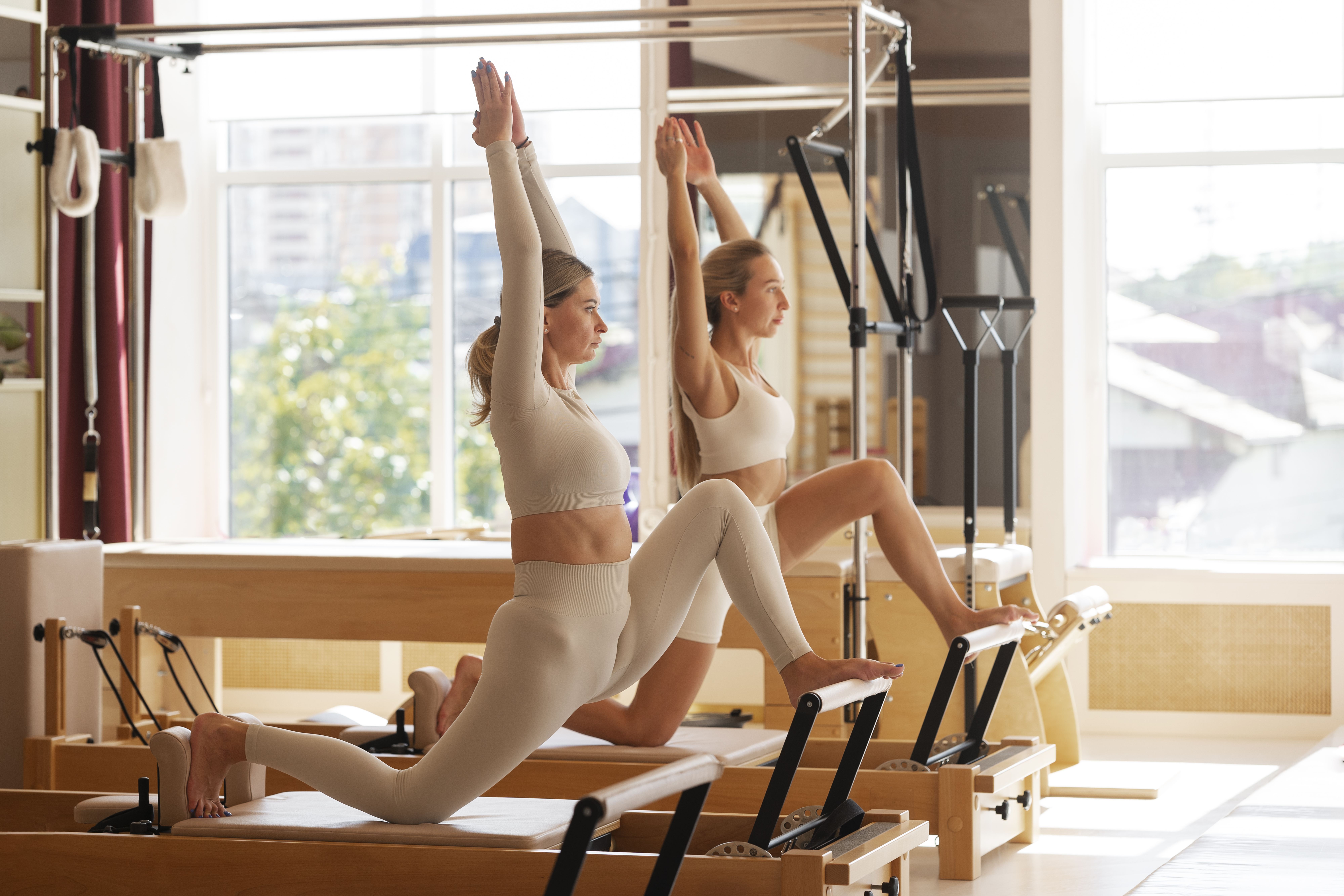
The Pilates Reformer is probably the most commonly used equipment in pilates studios today. It features a bed-like frame with a flat platform, which moves back and forth on wheels within the frame. This is connected to the frame with springs that provide varying resistance. An adjustable bar and long straps with handles, usable with either the feet or hands, allow for additional exercises. The combination of body weight and spring resistance creates tension during movement.
The Reformer’s adjustability makes it suitable for different body sizes, abilities, and skill levels. Arguably, the Reformer can perform most functions of other types of Pilates machines, making additional pieces of equipment potentially redundant.
- Cadillac Reformer

Also known as the Trapeze Table, or simply the Cadillac—is the scary-looking contraption found in some Pilates studios. Unlike the traditional Pilates Reformer, the Cadillac features additional bars above the table, along with ropes and pulleys that allow for a range of exercises where you can lift your legs and arms while suspended over the table. These features of the Cadillac instantly transform Pilates into a three-dimensional workout.
Although its hefty price tag and size make it less common in group classes, the Cadillac is a staple in private sessions due to the extensive range of exercises it supports. This allows instructors to customise workouts to meet the specific needs of each client. Some studios integrate a vertical attachment, known as the Tower, into one side of a standard Pilates Reformer to replicate many of the Cadillac’s functions.
- Wunda Chair
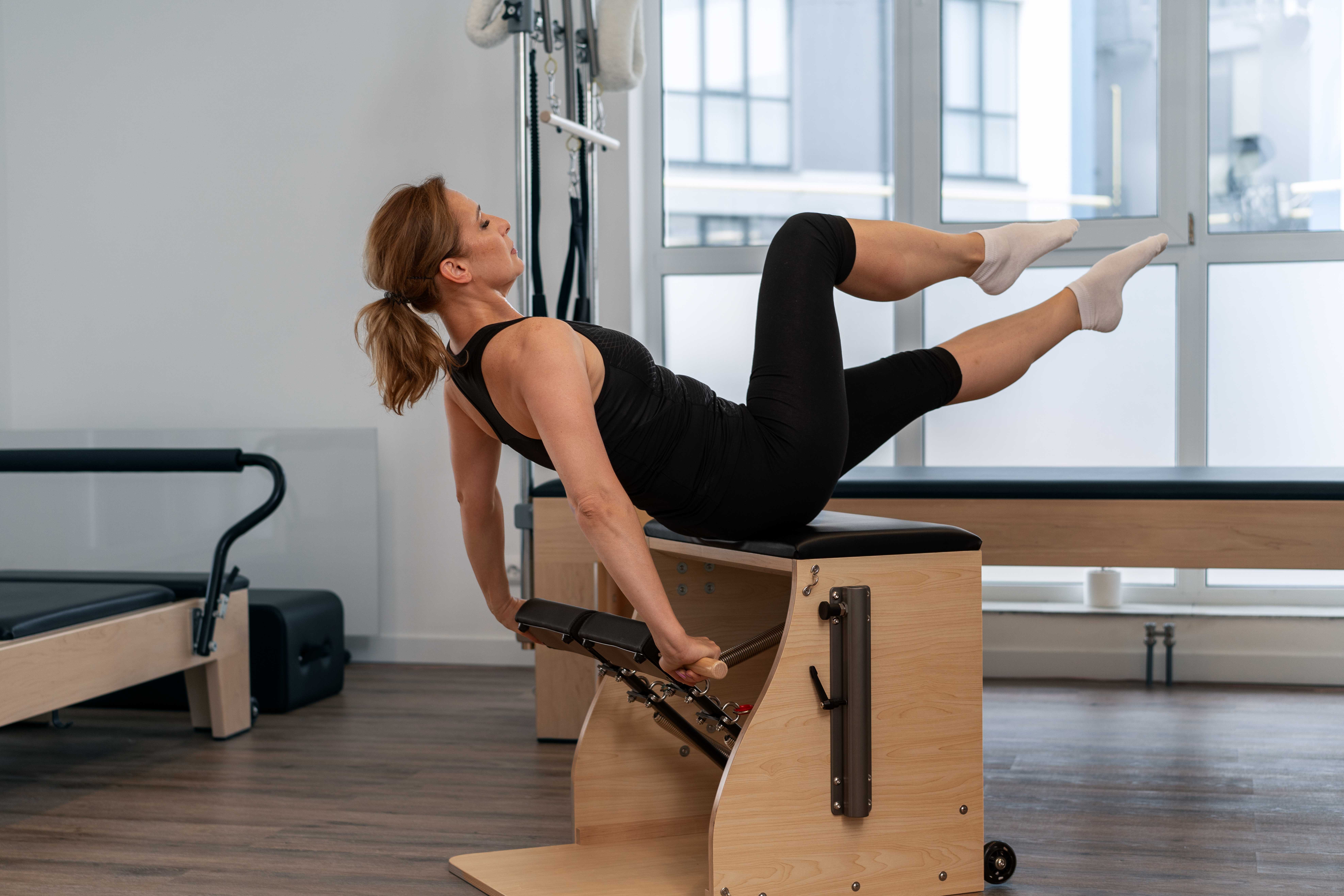
The Wunda Chair was first invented by Joseph Pilates with the intention of creating a functional home-gym apparatus. The Wunda Chair features a padded seat, as well as springs with various resistances attached to a pedal. Despite its compact size, it is yet another versatile piece of equipment that can perform a wide range of functions from pushups, to calf stretches, and step ups.
Another variant of the Wunda Chair is oddly referred to as the Electric Chair. This chair features an additional backrest, and handles that rise on both sides of the seat to provide the user with extra support and stability. Chair equipment remains one of the most popular equipment being used in the Pilates industry today, as it can be easily incorporated into your group or private sessions.
- Pilates Barrels
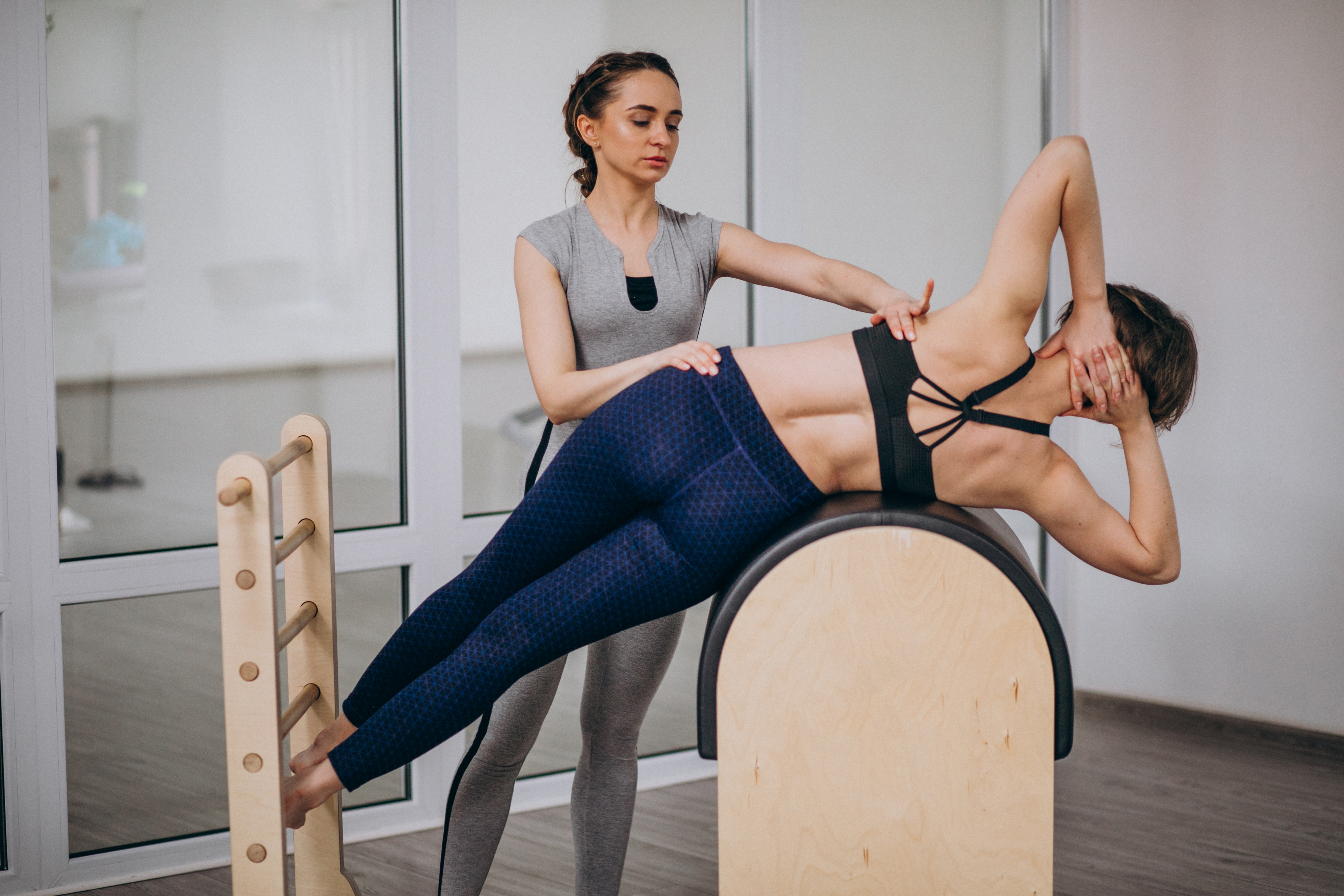
Unlike the above-mentioned equipments, the barrel has no moving parts, springs, or clips, making it an ideal choice for beginners. Its unique rounded surface helps to support healthy spinal movement, centres the torso, and isolates deep abdominal muscles. Therefore, the barrel is particularly useful in strengthening the core and targeting the muscles along the spine to enhance mobility and strength.
Generally, instructors do not use the barrel in large group classes, but often incorporate it into private or small group sessions, especially for clients with specific postural issues. There are various types of Pilates barrels, including the spine corrector, ladder barrel, and arc barrel, each essential for improving posture, flexibility, and balance.
- Other Complementary Equipment
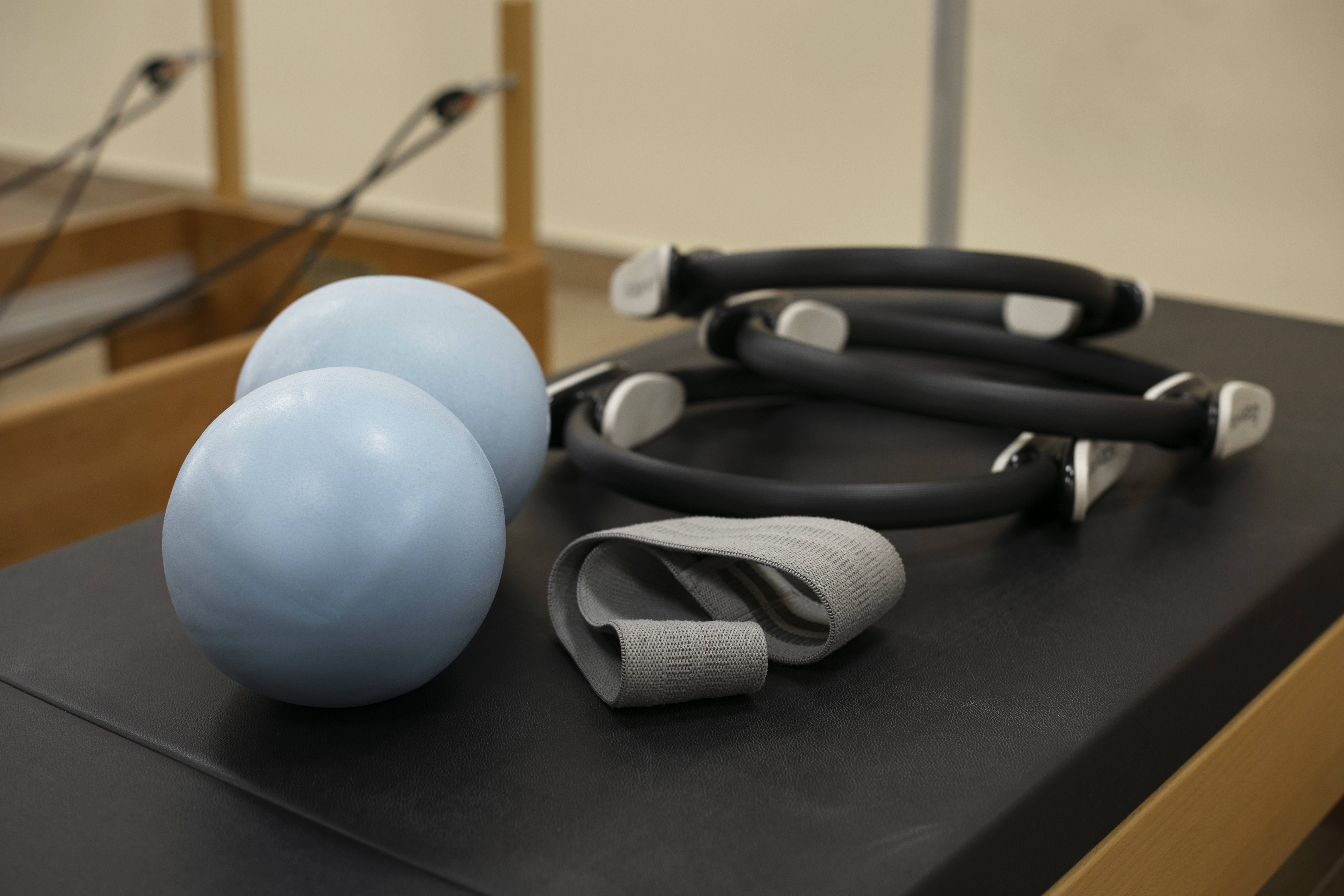
In addition to the machines mentioned above, Pilates studios often provide complementary equipment to enhance workout intensity. Commonly available items include: mats, resistance bands in varying levels, Pilates magic circles, stability balls, yoga blocks, small dumbbells, and ankle or wrist weights. These tools allow for a more unique and challenging exercise experience for clients.
Important Considerations for Studio Management
The next crucial step in determining your equipment mix is to calculate your estimated budget and space constraints. Why is this important? Understanding your financial limits and available space ensures you make strategic choices, allowing you to invest in the right equipment without overextending your resources or overcrowding your studio. This balance is essential for maintaining a functional, profitable, and welcoming environment for your clients.
Taking these constraints into account also help you pinpoint your studio’s niche. Consider these questions: Are your instructors well-trained in using each type of equipment? What types of Pilates classes do you plan to offer? How large will your classes be? Knowing these will guide you in tailoring your equipment choices to match your studio’s strengths and the needs of your target clientele.
So, where should I purchase my equipment?
The next challenge involves the careful selection of where to purchase your equipment. With reference to our previous article on the costs of starting a Reformer Pilates studio in Singapore, your Reformers and equipment will likely represent the most substantial investment in your studio’s launch.
That said, don’t cut corners on your equipment costs. It’s crucial to understand that investing in premium, high-quality equipment is not just an expense, but a strategic move that can significantly enhance your studio’s profitability. High-quality equipment offers durability, superior performance, and client satisfaction, ultimately reducing long-term costs and streamlining studio operations, contributing to the sustained success of your studio.
- Bigger Equipment
When it comes to larger Pilates equipment, choosing the right brand is essential for both the longevity of the equipment and the quality of your clients’ experience. Industry-leading brands such as Merrithew and Balanced Body are known for their durability, innovative designs, and commitment to maintaining the integrity of Pilates exercises. Other reputable manufacturers include Gratz Pilates, Peak Pilates, and Basi Systems, all of which have established strong reputations for producing high-quality equipment.
Given that equipment will inevitably experience wear and tear over time, it’s essential to secure warranties with your purchases. Additionally, look out for bundle deals to maximise the value of your investment and make it more cost-effective.
Disclaimer: It is essential to thoroughly research these brands to ensure they align with your specific requirements and budget. Be sure to consider all associated costs and carefully evaluate each option to find the best fit for your studio’s needs.
- Smaller Equipment
For smaller Pilates equipment, options are more varied and often more accessible. Retailers like Decathlon and e-commerce platforms provide a wide range of affordable options, allowing you to compare prices and reviews to find the best deals. However, don’t compromise on quality, even with smaller items, as these tools play a vital role in enhancing the effectiveness of Pilates workouts.
If your budget allows, consider collaborating with popular brands like Bala, Theraband, Pent Fitness, to elevate your studio’s offerings. Partnerships with premium brands can help you create a luxury experience, setting your Pilates studio apart from your competitors.
In conclusion, selecting the right equipment mix is pivotal for effective studio management and plays a significant role in driving your studio’s profitability. By evaluating your constraints and client needs, you can make informed decisions that enhances the overall functionality and appeal of your studio. Finally, investing in quality equipment not only elevates the experience for your clients but also ensures long-term success by minimising maintenance costs and maximising client satisfaction.