

In 2026, fitness studios aren't looking for more tools, they're looking for fewer, better ones. Per 2026 SaaS tool-sprawl research, teams running 10-20 disconnected tools lose five-plus hours a week to context-switching and duplicate data entry, and 20-40% of software seats at small and mid-size businesses sit inactive or barely used. Over time, many studios have accumulated software for scheduling, payments, marketing, communication, and reporting. Individually, each tool solved a problem. Together, they created friction. This growing complexity is why more studios are reassessing their fitness studio tech stack and questioning whether their systems still support how they operate today.
How Does Tool Sprawl Actually Happen to a Fitness Studio?
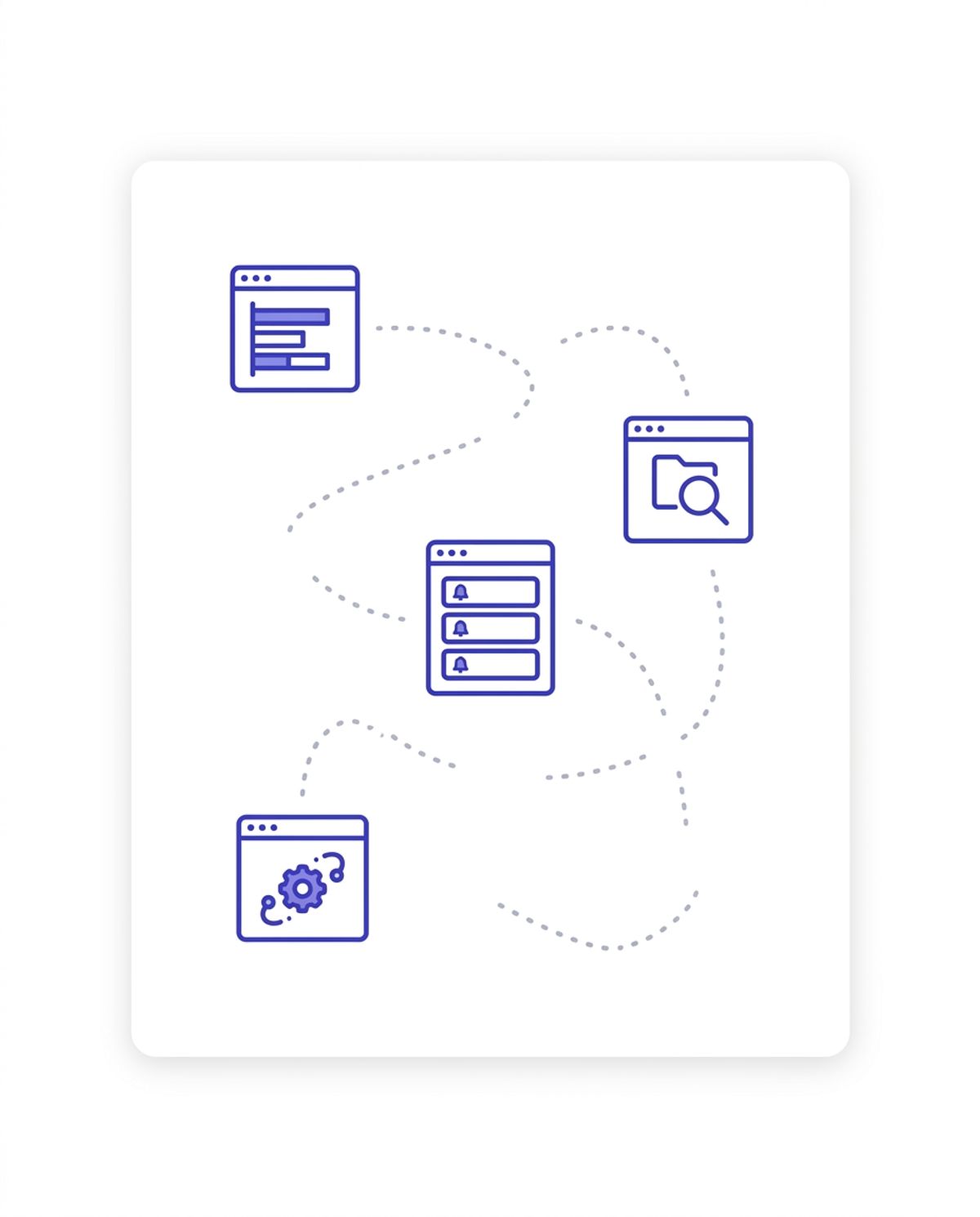
Most studios didn't plan to overcomplicate their systems. It happened gradually: one tool for bookings, another for payments, another for communication, another for reporting. Eventually, nothing breaks, but nothing flows either. This is often the turning point where owners reassess their fitness tech stack and start prioritizing consolidation over expansion.
Platforms like Vibefam appeal to studios at this stage because they replace multiple disconnected tools with a single operating system designed for day-to-day studio workflows, scheduling, payments, packages and memberships, and marketing, all in one place.
Why Do Split Systems Slow Down Studio Decisions?
Per the same 2026 research, 53% of SaaS licenses at the average company sit idle, and the more tools a studio runs, the harder it gets to trust the data any one of them produces. Owners end up struggling to answer basic questions: are classes actually full or just fully booked? Which memberships are driving retention? Where is revenue leaking?
With bookings, payments, and member data spread across systems, insights require manual work, pulling numbers from three dashboards just to answer one question. This operational drag is a major reason studios are consolidating their studio management software instead of adding more layers. A single system with built-in visibility, like Vibefam's AI business dashboard, answers the revenue-leak question directly instead of requiring a spreadsheet to reconstruct it.
Complexity Multiplies With Every New Hire
Per the same 2026 research, 20-40% of software seats at small and mid-size businesses sit inactive or get used less than once a month, often because nobody left to train the new hire on that particular tool. Every additional tool introduces more training, more room for error, and more dependency on specific staff knowing which system does what. For small teams and owner-operated studios, this complexity becomes unsustainable fast, especially when a key staff member who knew the workaround for Tool X leaves.
Standardizing workflows inside a single system simplifies onboarding, reduces mistakes, and makes operations more resilient when staff change. This is one of the strongest drivers behind fitness software consolidation in 2026, a new hire learns one system instead of four.
Is Consolidating Software a Downgrade for Your Studio?
Reducing tools doesn't mean reducing capability. A consolidated tech stack gives studios clear visibility into operations, faster execution, and easier adaptation to new pricing, formats, or staffing models. Instead of managing integrations and edge cases between tools that were never designed to talk to each other, studios regain control of their operations.
In our observations supporting boutique studios across North America and APAC, the studios that consolidate successfully aren't the ones chasing the cheapest single tool, they're the ones that map every workflow they actually run (bookings, payments, packages, follow-up marketing) and check that one system covers all of it before switching. Systems like Vibefam offer comprehensive software across operations and marketing, so a studio switching from a scattered stack, or from a platform like Mindbody or Glofox that only solves part of the puzzle, lands on one system rather than trading one set of gaps for another.
Fewer Tools Create Better Focus
In our observations supporting boutique studios across North America and APAC, the most effective studios aren't defined by how many tools they use, but by how well their systems work together. Reassessing the fitness studio tech stack allows owners to eliminate friction, improve clarity, and operate with confidence.
For many studios, consolidation isn't a downgrade, it's a strategic reset. If your current stack is starting to feel like more admin than it's worth, see how Vibefam's packages and memberships tools work alongside scheduling and payments in one system, or book a free demo to see your specific stack mapped onto one platform.