
Boutique fitness studios average 65-70% annual retention, with elite operators reaching 75-80%, well above the industry-wide 66.4% average. But half of all new members still quit within six months. The gap between those numbers is member experience: what happens from a prospect's first digital impression through their first month of classes.
What Actually Predicts Whether a New Member Stays or Leaves?
Members who attend fewer than four classes in their first month have an 80% chance of cancelling, per 2026 gym retention research citing the HFA Fitness Industry Benchmarking Report. That single number reframes the whole retention question: it's not about what happens at month six, it's about what happens in the first four weeks.
Elite boutique operations hold monthly churn under 3%; strong boutique studios run 3-4% monthly churn. The studios in that top tier aren't doing something dramatically different in the workout itself, they're making sure a new member's first month is frictionless enough that they actually show up four times.

How Much Does Poor Retention Actually Cost a Studio?
Acquiring a new member costs 5 to 25 times more than retaining an existing one. Paid acquisition typically runs $60 to $130 per member (referrals are cheaper, $10 to $30), while retaining a member through personalized engagement and follow-up costs roughly $10 to $20 per member per year, per 2026 gym membership economics research. [NEEDS VERIFICATION — treat as directional industry benchmarks, actual costs vary by market and channel]
| Path | Typical cost per member |
|---|---|
| Paid acquisition (social, search) | $60–$130 |
| Referral acquisition | $10–$30 |
| Retention (engagement, follow-up) | $10–$20 per year |
A 5% improvement in retention can lift profits by 25-95%, since the math compounds, every member who stays a second and third month is revenue that didn't require a new acquisition spend to generate. Retention isn't the soft, feel-good metric it's sometimes treated as, it's the more efficient growth lever.

Member Experience Starts Before Anyone Walks In
Half of prospective members form an impression of a studio from its website and booking flow before ever attending a class, so a confusing site or a clunky booking process is losing members a studio never gets the chance to retain in the first place. A professional, booking-integrated website removes that friction at the exact moment a prospect is deciding whether to book.
The first four weeks matter just as much once someone does book. What that new member actually expects, and what quietly turns them away, is its own detailed question, covered in what first-time gym members expect in 2026.
What Keeps a Member Coming Back After Month One?
Half of all new members quit within six months, per 2026 gym retention research, and the members who stay past that point are usually the ones who never had a reason to think twice, the same booking experience, the same quality of communication, no dropped reminders or double-booked classes.
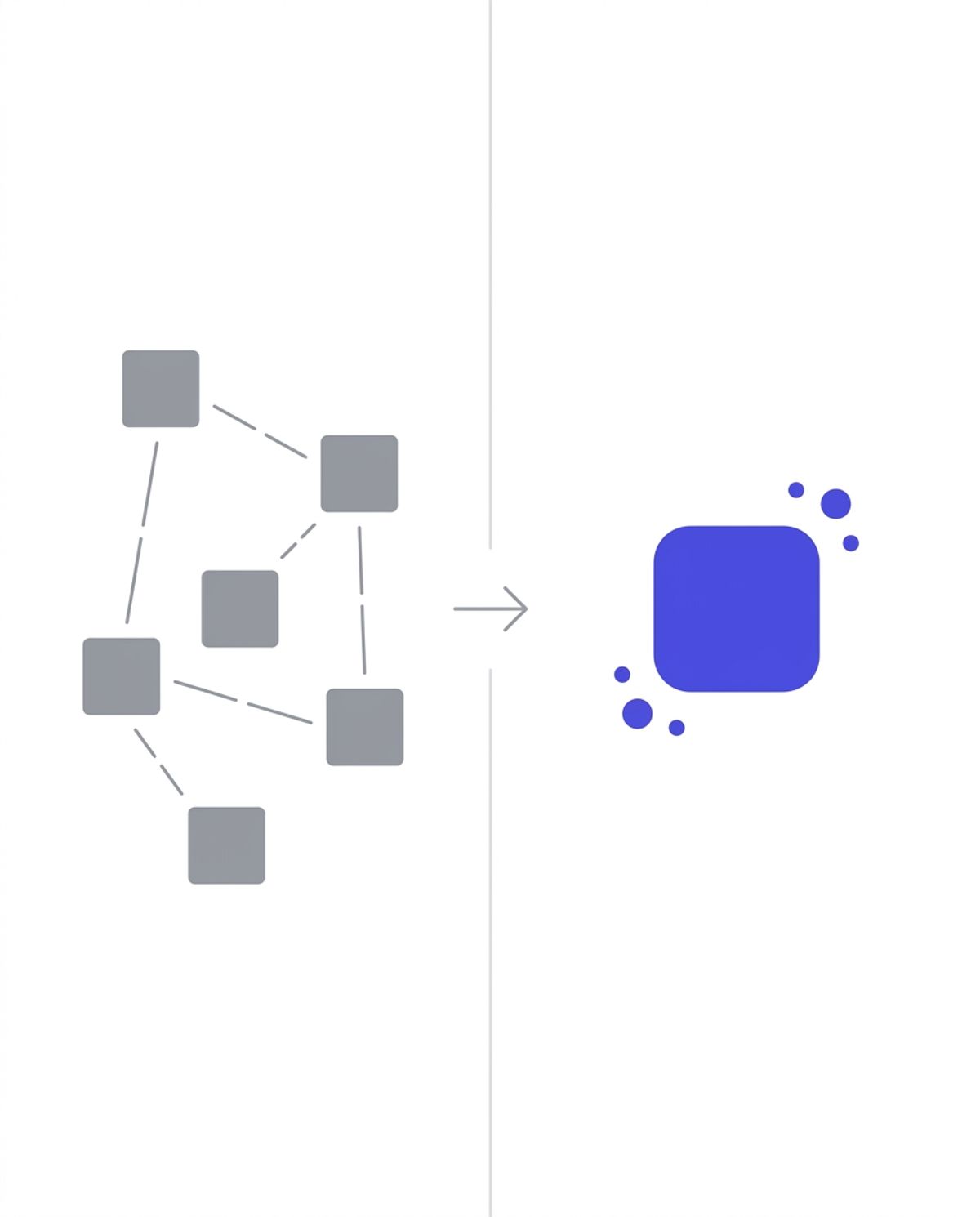
In our observations supporting boutique studios across North America and APAC, that consistency is an operations problem before it's a marketing one. A studio juggling five disconnected tools for scheduling, payments, and communication will eventually drop something a member notices. Reassessing a fragmented tech stack and optimizing admin workload both function as retention work, even though neither looks like a retention initiative on paper.
Systematizing a Great Member Experience
Per Vibefam customer data, Vibefam's AI retention engine is associated with a 20% drop in churn, and its AI Customer Service Agent, which resolves member questions natively over SMS, Instagram DMs, and WhatsApp, saves studios roughly 13 hours a week while lifting in-chat sales 20%.
Its AI Business Dashboard flags at-risk members and forecasts churn before it happens. Vibefam offers comprehensive software across operations and marketing, so a booking confirmation, a class reminder, and a win-back message all come from the same system with the same brand voice, not three disconnected tools.
Rebel Gym in Singapore grew 150% without adding staff by consolidating its member experience onto one platform instead of stitching several together. In our observations supporting boutique studios across North America and APAC, that pattern repeats: consolidation doesn't just save admin time, it removes the exact seams where a member's experience quietly degrades. Book a free demo to see how a unified system holds up against your current retention numbers.