

Classes alone aren't enough margin in 2026. Weekend workshops typically run $50 to $200, multi-session intensives $340 to $450 or more, and pop-ups let a studio reach new members without a second lease. Here's what those numbers actually look like in practice, and what it takes to run them without adding operational chaos.
How Much Should a Studio Workshop or Pop-Up Cost?
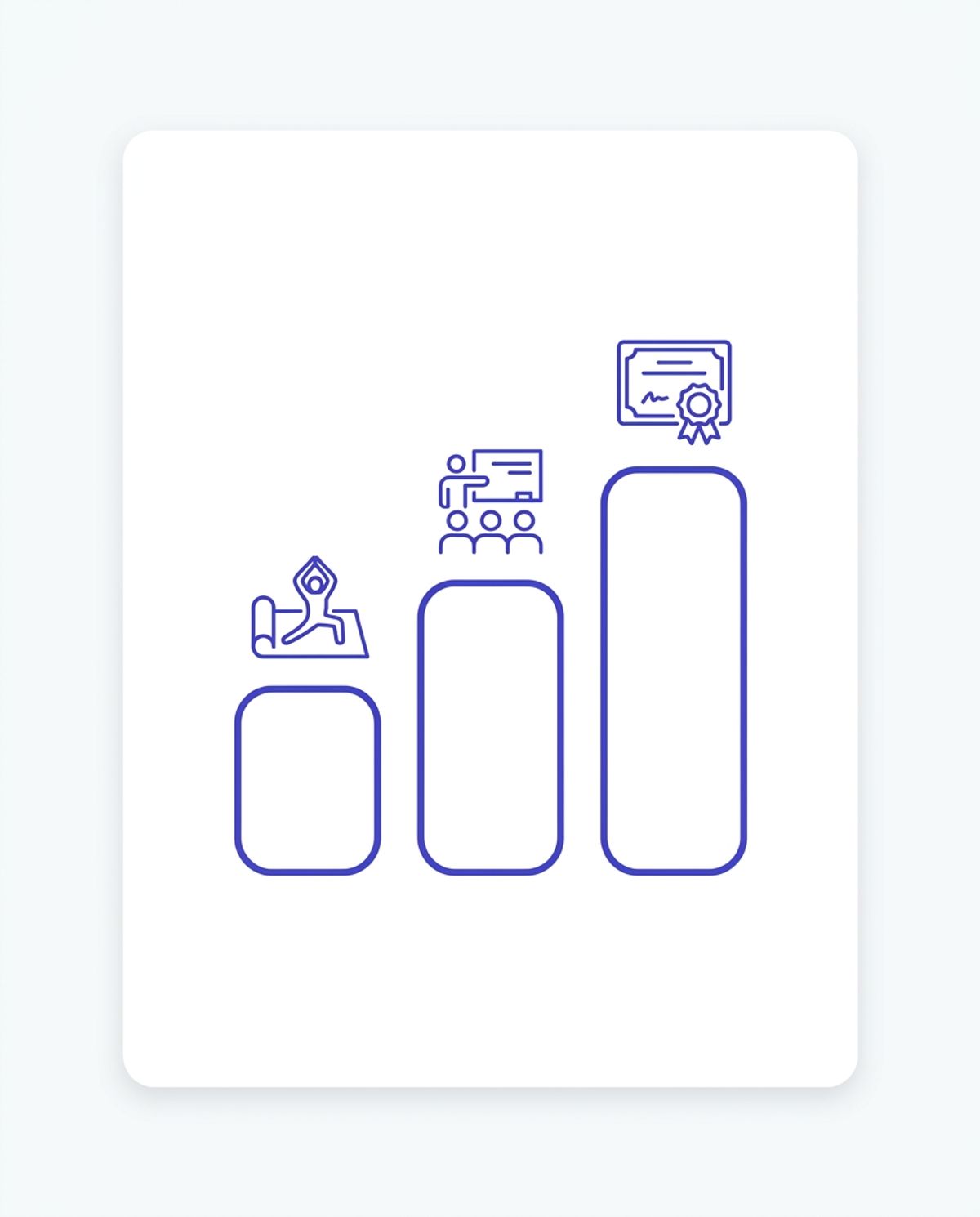
Per 2026 studio pricing research, a regular drop-in class runs $25 to $40, while a weekend workshop commands $50 to $200, a real premium over a single class because it bundles specialized instruction members can't get in a normal session. Multi-session intensives and teacher-training-style programs price even higher, $340 to $450 or more for less price-sensitive attendees willing to pay for depth.
| Format | Typical price |
|---|---|
| Regular drop-in class | $25–$40 |
| Weekend workshop | $50–$200 |
| Multi-session intensive | $340–$450+ |
Why Do Events Need Different Rules Than Regular Classes?
Per the same 2026 studio pricing research, the $50-200 workshop premium only materializes when a workshop is actually priced and governed as its own product, not a class with a higher price tag. It needs its own cancellation policy, its own credit rules, and pricing that can flex independently of the regular schedule. A studio running teacher intensives, recovery clinics, or specialty masterclasses under the same rules as a drop-in class is leaving that pricing premium on the table.
The payoff for setting events apart is data, not just flexibility. Once pricing and cancellation rules are separate, a studio can actually see which events sell out, what price points convert, and when demand peaks, turning what used to be one-off guesswork into a repeatable, priced-with-confidence format.
How Do Pop-Ups Expand Reach Without Long-Term Risk?
Pop-ups in partner spaces, outdoor venues, and retail locations let a studio test a new neighborhood or audience without signing a second lease. The operational risk isn't the venue, it's managing sign-ups, capacity, and payments across a location that isn't the studio's own booking system.
In our observations supporting boutique studios across North America and APAC, centralizing pop-up bookings, payments, and attendance into the same system used for regular classes is what separates a pop-up that generates a real lead list from one that just generates a headache. The studios that track which pop-ups actually convert attendees into long-term members are the ones that keep running them.
Knowing Which Events Are Actually Working
In our observations supporting boutique studios across North America and APAC, without tracking, events are guesses repeated indefinitely. Vibefam's AI Business Dashboard surfaces which workshops actually drive retention, upsells, and referrals, not just which ones filled seats, so a studio can refine themes and formats instead of running more events hoping one sticks.
Vibefam offers comprehensive software across operations and marketing, so workshop sign-ups, pop-up payments, and the packages and memberships members buy afterward all live in one system, one dashboard shows the full picture instead of three disconnected reports.

Making Non-Class Revenue Sustainable, Not a One-Off
The goal isn't running more events, it's running the ones that work without adding admin stress to a team already managing a full class schedule. Priced correctly and tracked properly, workshops, events, and pop-ups become a standing revenue channel rather than a quarterly experiment.
This pairs directly with diversifying revenue streams more broadly, and with corporate wellness programs as a B2B-flavored version of the same idea. Book a free demo to see how events, packages, and memberships run from the same dashboard.